Getting your first car: What you need to know

Buying your first car is an exciting milestone, but it comes with responsibilities beyond choosing the right model. You must consider legal requirements, basic maintenance and budgeting, knowing what to set up and check can save you stress, money, and hassle down the road.
The legal essentials you must set up first
Insurance
It’s illegal to drive without it. We advise you shop around for the best coverage, whether standard or telematics (black‑box) policies, and make sure the level of cover matches your needs. There are typically three main types of cover:
- Third-party only: Covers damage or injury you cause to other people, vehicles, or property. It does not cover damage to your own car.
- Third-party, fire and theft: Covers everything included in third-party, plus protection if your car is stolen or damaged by fire.
- Comprehensive: Includes third-party, fire and theft, and also covers damage to your own vehicle, even if an accident was your fault.
You may also want to consider:
- Telematics (black box) insurance: This uses a device or mobile app to monitor your driving (such as speed, braking, and acceleration). Safer driving can sometimes lead to lower premiums, especially for younger or new drivers.
- Named driver options: Adding an experienced driver to your policy (for example, a parent or partner) can sometimes reduce the cost. However, it’s important that the main driver is always correctly declared, as misrepresenting this (known as “fronting”) is illegal and can invalidate your insurance.
When comparing policies, also check excess levels, mileage limits, courtesy car options, and any exclusions that might affect how you use the vehicle!
Road tax
Your car must be taxed before it can be driven on public roads. Remember that a valid MOT is required for most vehicles to apply tax.
The cost of road tax (Vehicle Excise Duty) can vary depending on the vehicle’s CO₂ emissions, age, engine size, and fuel type. It’s worth checking this before buying, as a car that seems cheap upfront may be more expensive to tax and run over time.
For example, vehicles with lower emissions or eco-focused technology (such as hybrid or electric models, or cars with “eco” driving modes) are often cheaper to tax and may also have lower running costs overall.
Breakdown cover
Not required by law, but we highly recommend it. Even short journeys can be unpredictable, so having roadside assistance in place brings peace of mind.
Cars we’d recommend for first-time drivers
Some cars are simply easier to live with when you’re new to driving. When choosing your first vehicle, it’s worth focusing on models that are known for being forgiving, affordable to run, and straightforward to maintain.
What to look for
Ideally, a first car should:
- Have a strong service history
- Be known for long-term reliability
- Offer good availability of parts and affordable repairs
- Be easy to drive, park, and manoeuvre
- Sit in a lower insurance group
Body styles that work well
Compact hatchbacks and small city cars are often the best starting point. They strike a good balance between practicality, running costs, and ease of use. Small SUVs can also work well if visibility and comfort are priorities, as long as insurance and fuel costs are considered.
Reliable first-car choices
We often see good results with models from:
- Volkswagen: Polo, Up – very solid all-rounders known for build quality, safety, and strong reliability. Widely supported by garages and tend to hold their value well

- Škoda: Fabia, Citigo – practical, dependable, and often excellent value for money. Shares much of its engineering with Volkswagen models but is typically cheaper to buy and run
- SEAT: Ibiza, Mii – sporty feel for the price, good reliability, and low running costs, making them a popular choice for first-time drivers
- Toyota: Corolla, Aygo, Yaris – for longevity and safety
- Honda: Civic, Jazz – for fuel efficiency and great handling
- Hyundai: i10, i20 – low cost and easy ownership
- Ford: Fiesta – excellent handling, safety, and affordable insurance
- Kia: Picanto, Rio – affordable to buy with strong reliability and long warranties
- Mazda: Mazda 3 – strong reputation for safety, reliability, and enjoyable driving
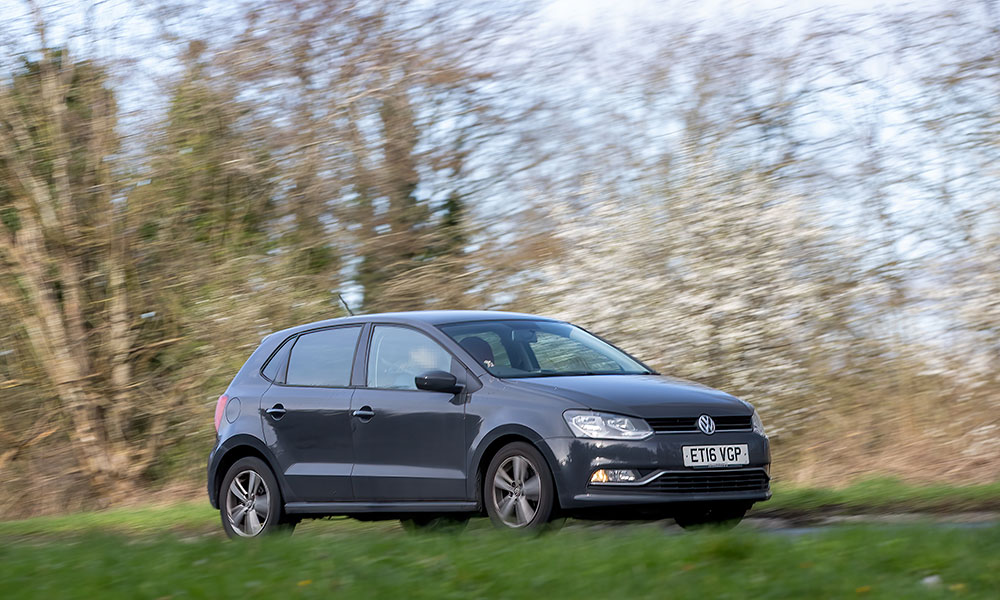
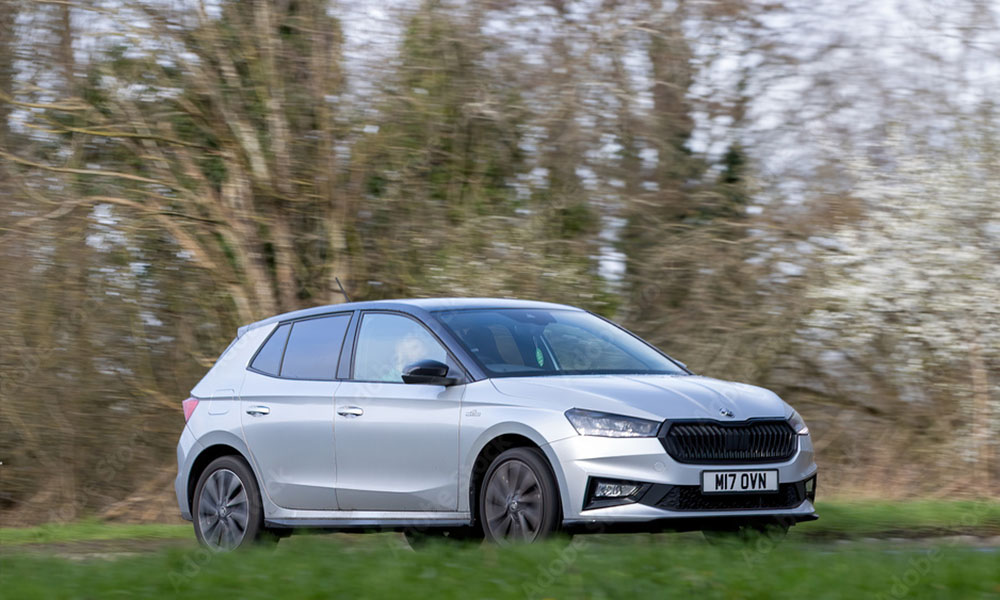
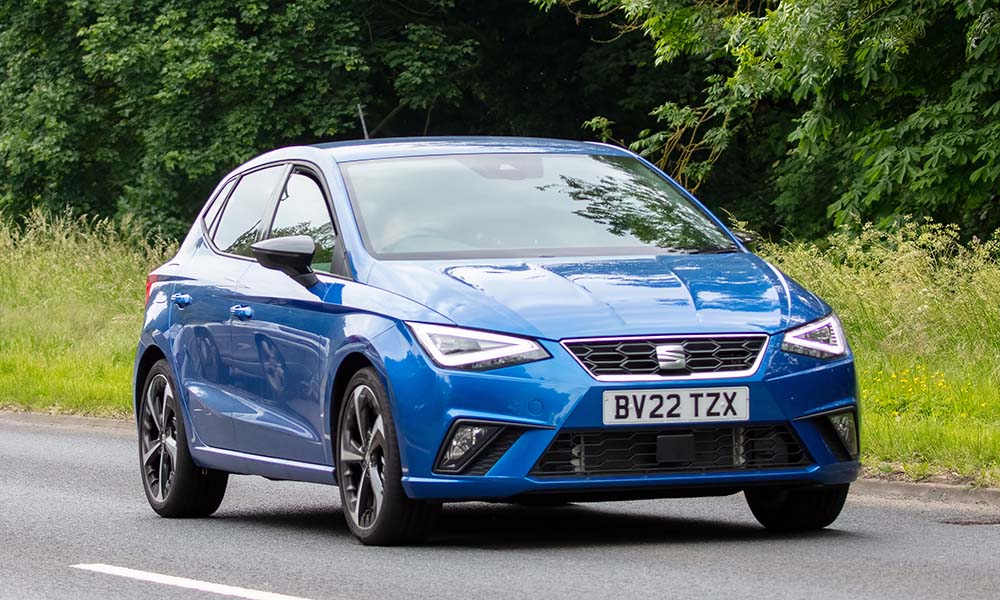
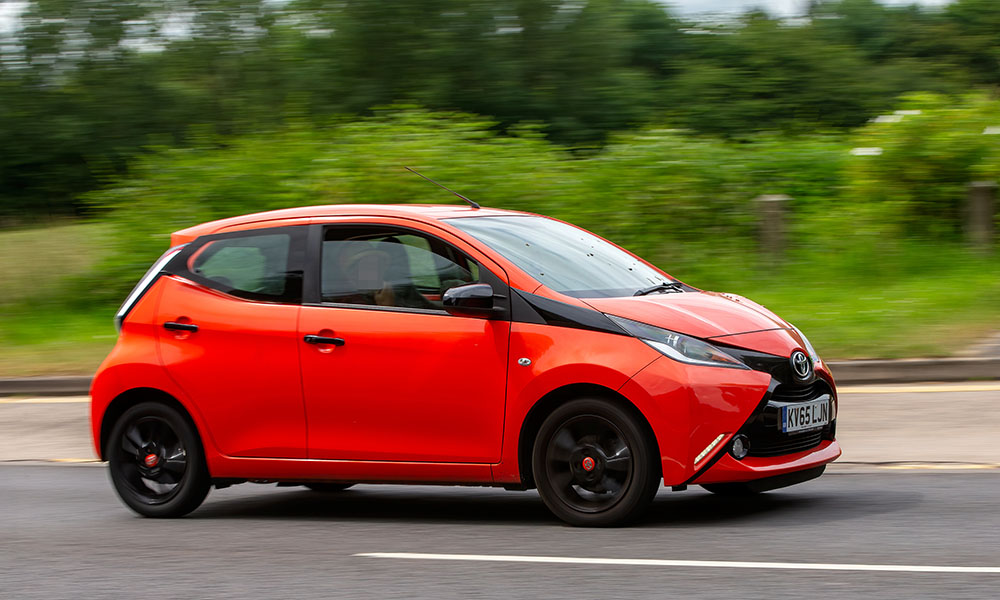
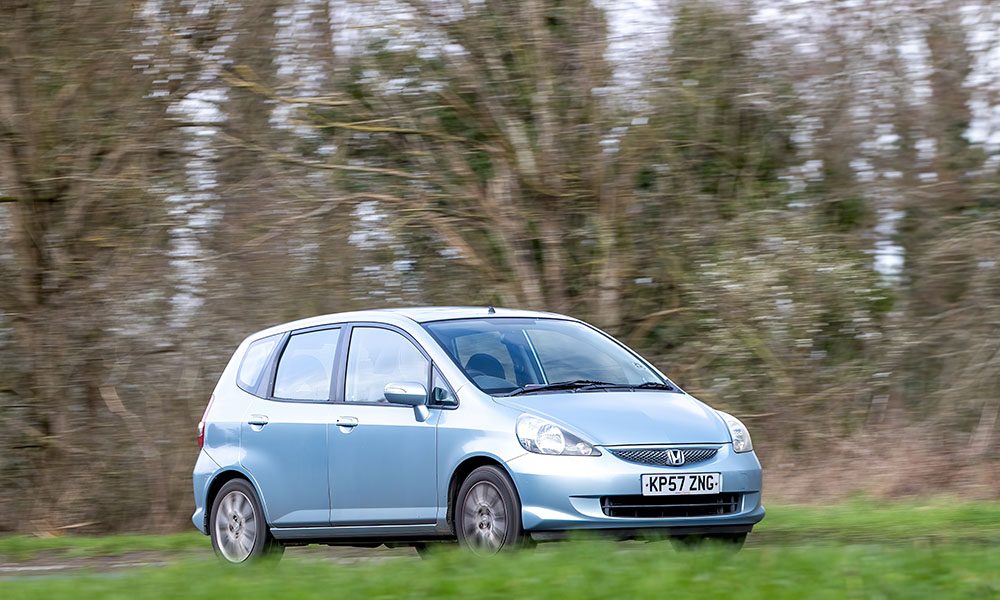
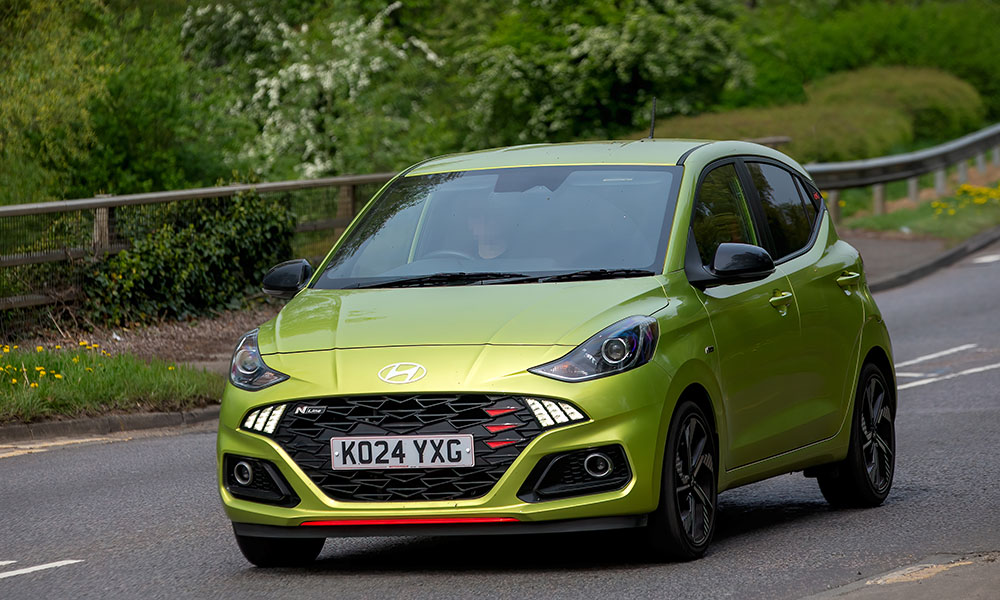
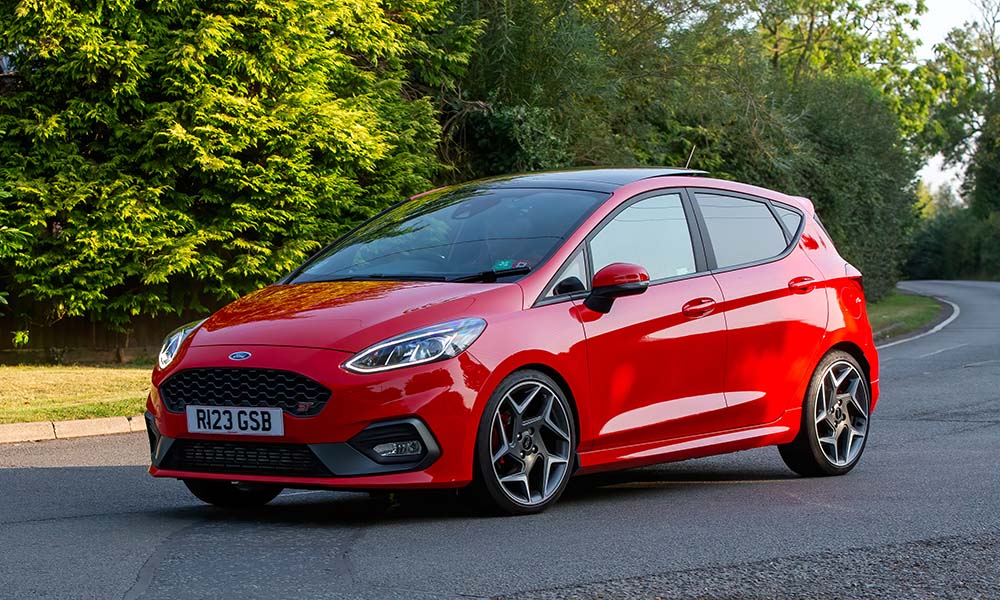
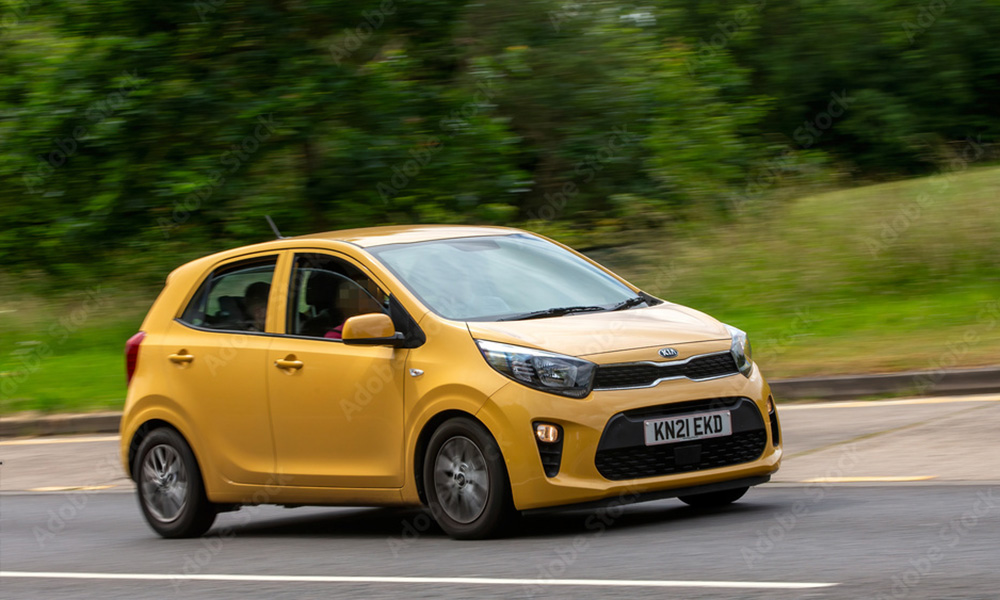
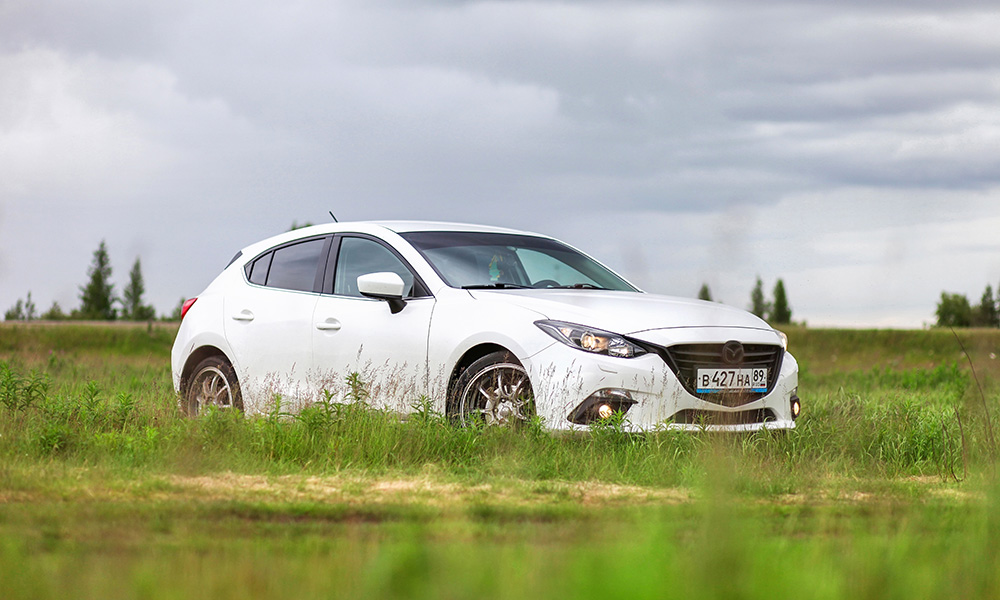
These cars tend to be well supported, widely serviced, and familiar to most garages, all useful benefits when you’re starting out.
Final checks before choosing
Beyond the badge, always consider:
- Safety ratings (check results from Euro NCAP)
- Insurance group and running costs
- Vehicle size and visibility
- Whether the car is new or used, and how well it’s been maintained
A well-looked-after, sensible car will almost always serve a first-time driver better than something chosen purely on looks or price alone.
Understanding basic car maintenance
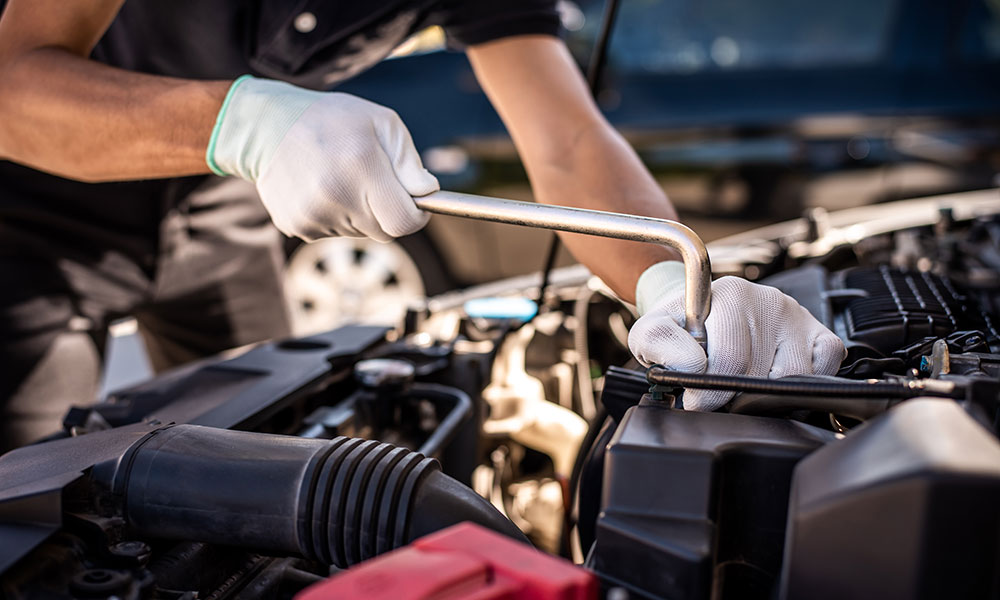
Even simple habits can prevent costly issues later. Keep on top of:
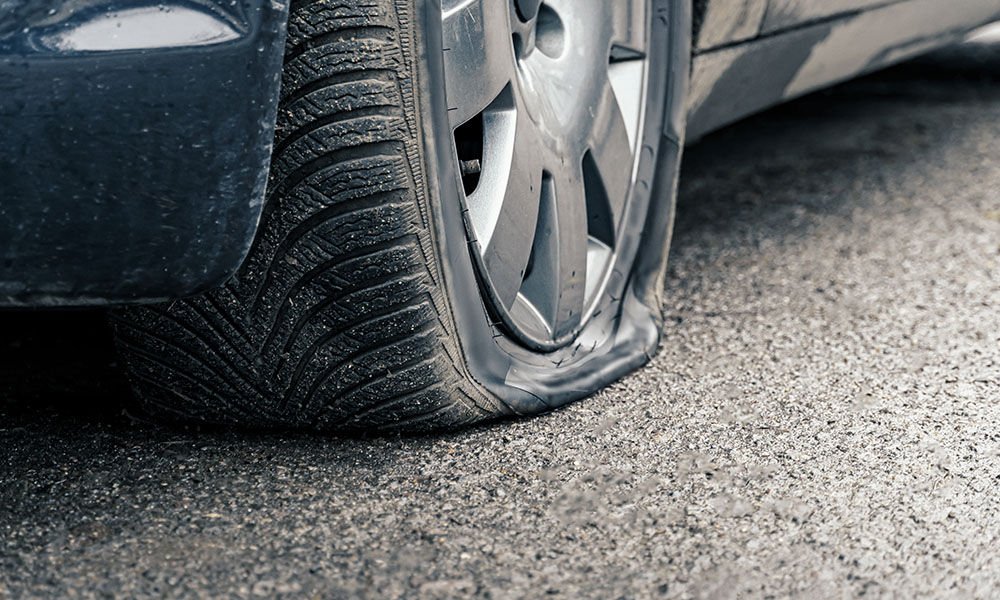
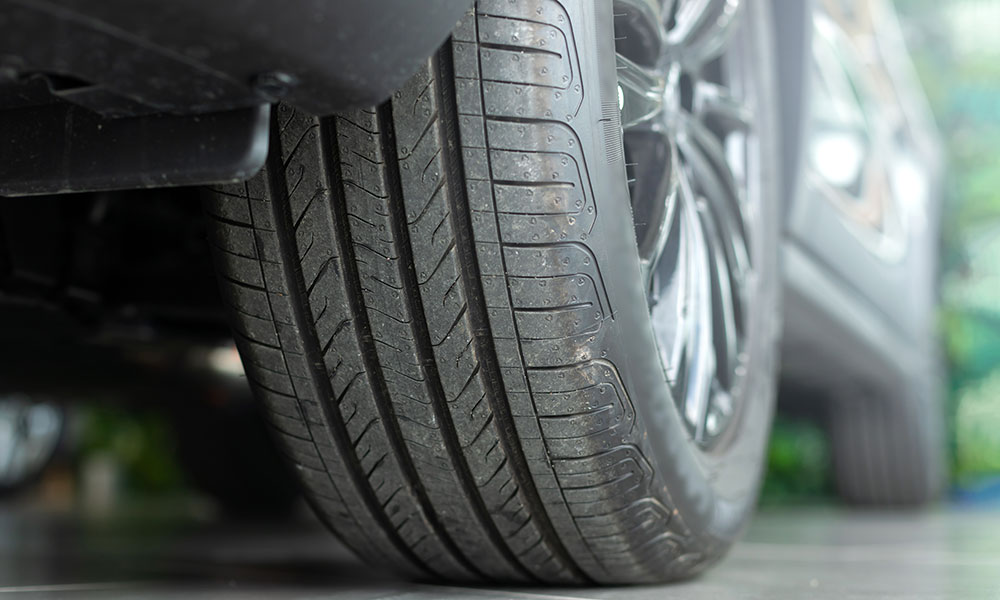
- Tyre pressures and tread depth
- Fluid levels (engine oil, coolant, brake fluid, screen wash)
- Lights and indicators
- Regular servicing
For beginners, it’s worth reading our car maintenance tips for beginners to get comfortable with the basics. Learning a little now goes a long way in building confidence and keeping your car reliable.
Budgeting beyond the purchase price
The cost of your first car doesn’t stop at the sticker price. Factor in:
- Insurance premiums
- Fuel costs
- MOTs and servicing
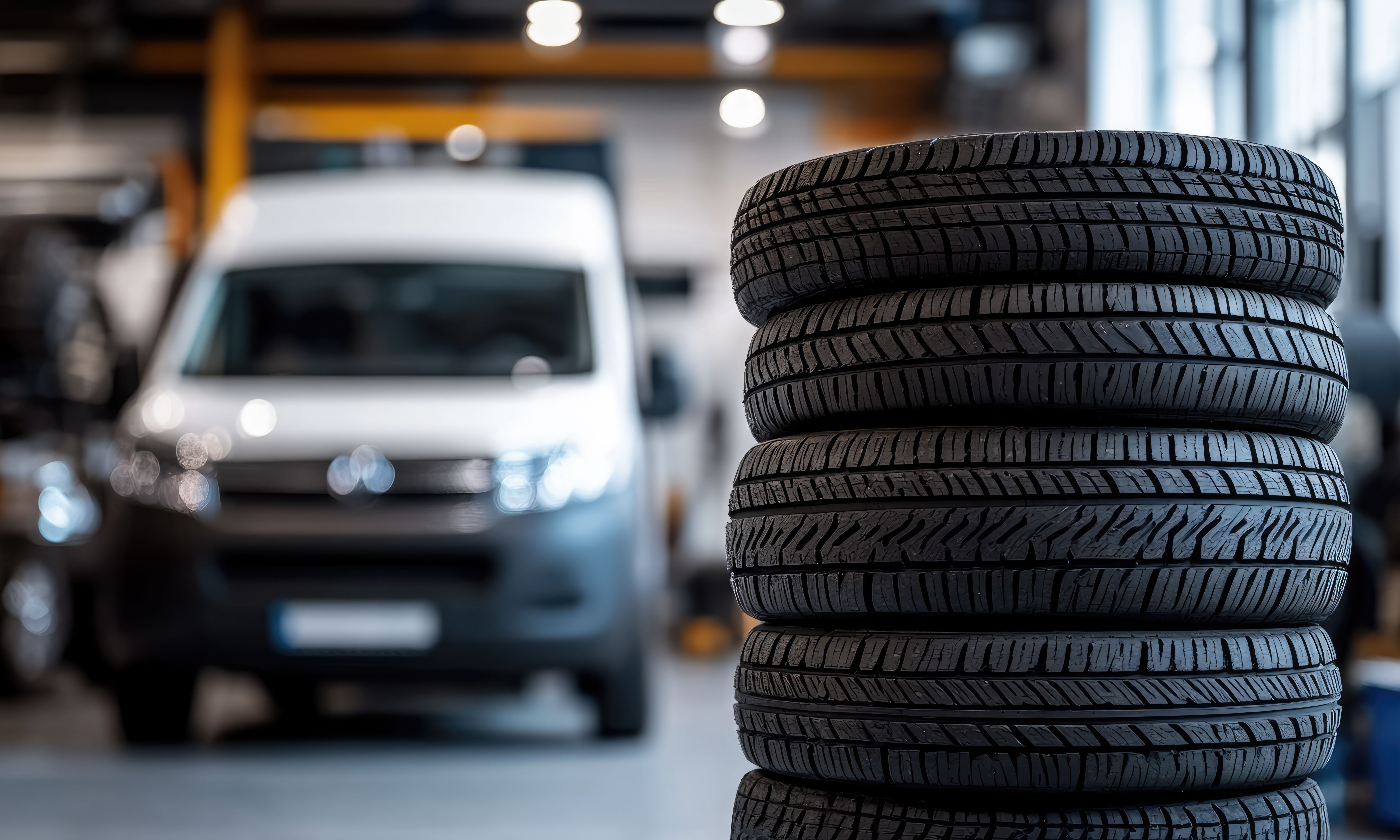
- Tyres and unexpected repairs
- Road tax and optional breakdown cover
Planning ahead ensures you’re not caught out by hidden costs and helps you enjoy your new car without unnecessary stress.
Our top tips to summarise
- Think long-term, not just upfront cost – The cheapest option isn’t always the best over time.
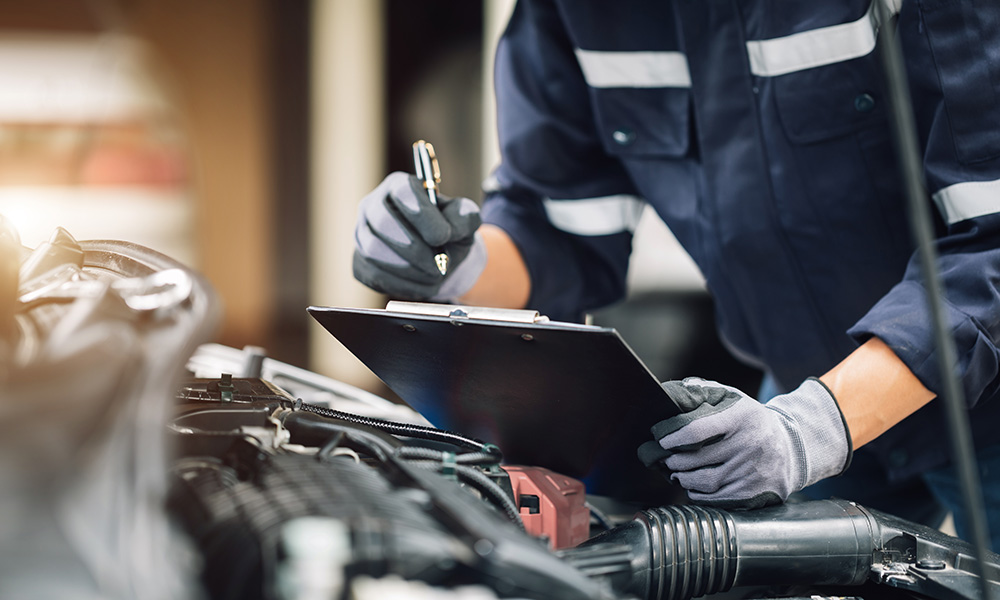
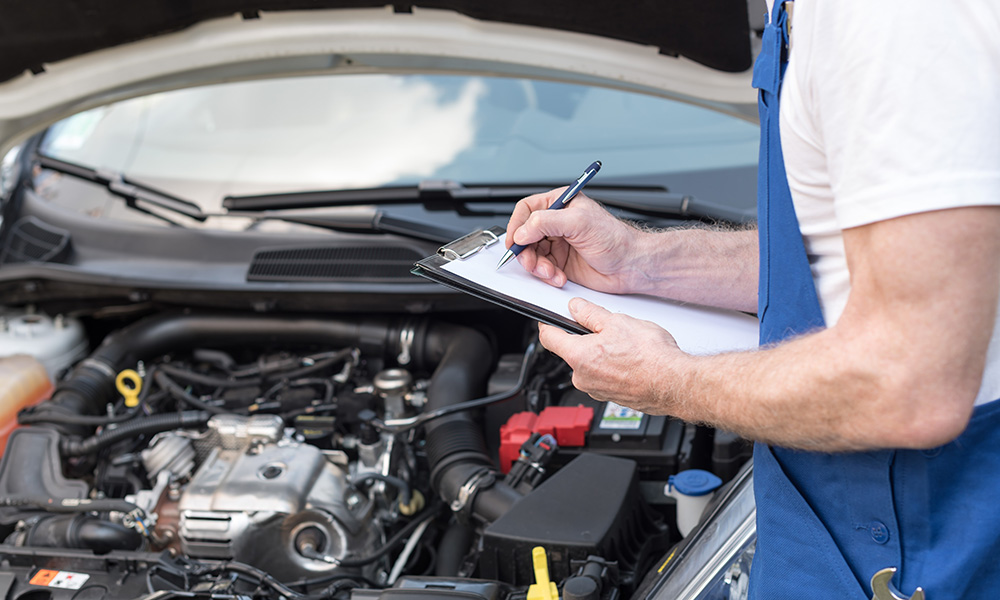
- Check the history and paperwork – Service records, MOTs, and V5 documentation reveal a lot about a car’s condition.
- Take a proper test drive – Listen for noises, test braking and steering, and make sure you feel comfortable with the car.
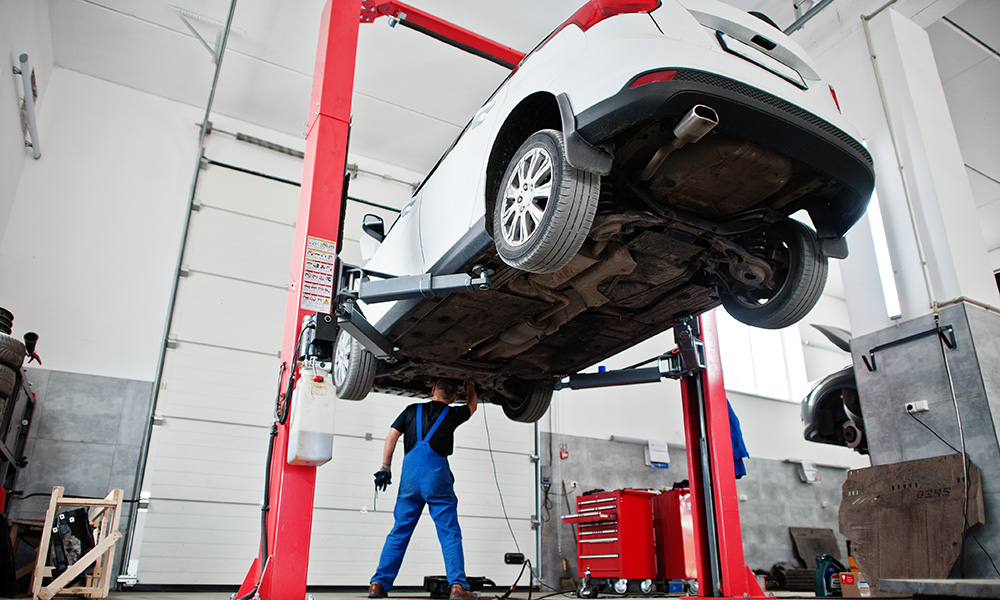
- Get a pre‑purchase inspection – A professional check can highlight issues you might miss.
- Understand your insurance options – Telematics policies or comparison quotes can help reduce premiums.
- Budget for essentials straight away – Tax, breakdown cover, and basic maintenance aren’t optional.
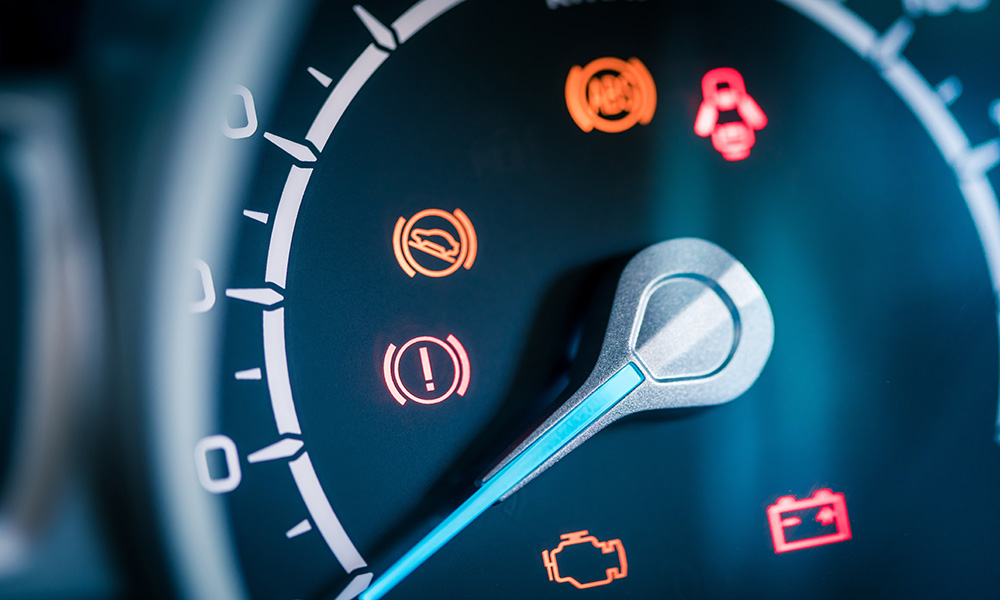
- Don’t ignore warning lights or tyre checks – Minor issues can become costly if overlooked.
- Find a garage you trust – Reliable mechanics make car ownership far less stressful.
Finally, congratulations for passing!
Just remember buying your first car is about more than picking a model you like, it’s about being prepared, responsible, and informed. By taking care of the legal essentials, understanding maintenance basics, budgeting wisely, and following practical tips, you can start your motoring journey safely and confidently.
New driver needing advice? Explore more of our guides to help you stay safe, confident, and informed on the road or get in touch with us to for further guidance.