Why tyres go flat (even without a puncture)

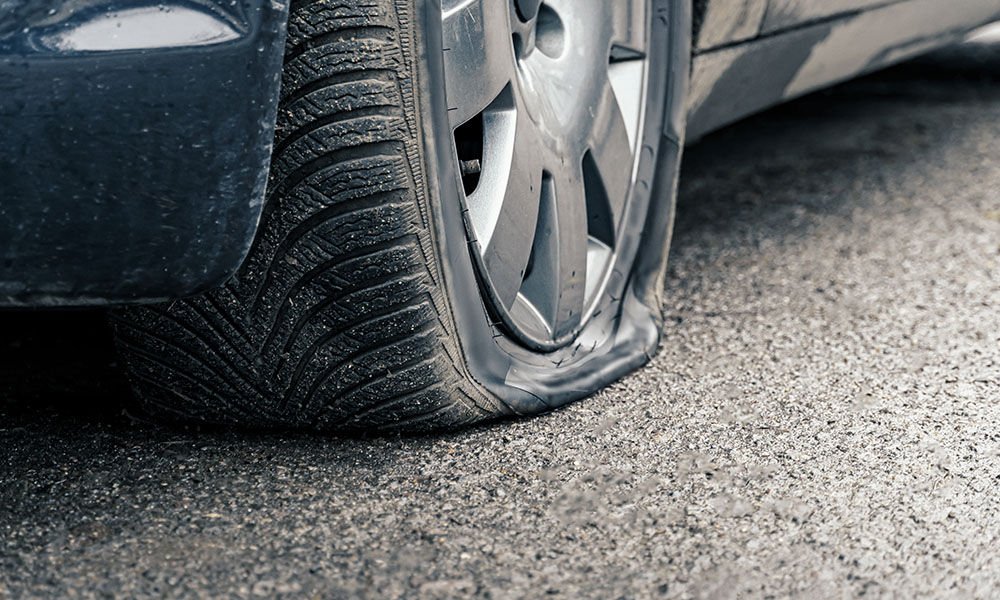
Finding a flat tyre is more frustrating than ever, especially when there appears to be no obvious damage. While punctures are the most well-known cause, tyres can lose pressure for a range of reasons, many of which develop gradually over time. Understanding why tyres go flat helps you spot issues earlier, avoid uneven wear, and reduce the risk of being caught out unexpectedly.
Can a tyre go flat without a puncture?
Yes, although punctures from sharp objects like nails or screws are the most common cause, tyres can lose pressure for several other reasons without a visible hole. These slow leaks are often linked to wear, ageing components, or changes in temperature rather than direct damage to the tyre itself.
Other common causes of flat tyres
Road hazards and potholes
Hitting potholes, kerbs, or road debris can damage the tyre internally or disturb the seal between the tyre and wheel. This doesn’t always cause an immediate flat, but it can lead to gradual air loss over time.
Valve stem damage
Valve stems can crack, loosen, or perish with age. A faulty valve may allow air to escape slowly, especially after tyre pressure checks or cold weather.
Incorrect tyre pressure
Running tyres at the wrong pressure, whether too high or too low, increases stress on the rubber and can make air loss more likely.
- Underinflation: Low tyre pressure causes excessive sidewall flex, which generates heat and accelerates wear. Over time, this can weaken the tyre and lead to further pressure loss.
- Overinflation: Overinflated tyres are less able to absorb impacts. Even minor bumps can damage the tyre or wheel, increasing the risk of slow leaks.
Bead leaks
The bead is where the tyre seals against the wheel rim. Corrosion, dirt, or damage to the rim can prevent a proper seal, allowing air to escape gradually.
Worn out tyres
As tyres age, the rubber hardens and can develop small cracks. Even if tread depth is still legal, older tyres are more prone to pressure loss.
Temperature changes
Tyre pressure naturally drops in colder weather as air contracts. This is why pressure warnings are more common during winter months.
Vandalism
Although less common, interference with valve caps or intentional damage can cause unexpected pressure loss.
Signs your tyre is losing pressure
- Dashboard tyre pressure warning light: Often the first sign of a problem. Even if the car still feels normal, this light usually means one or more tyres are below the recommended pressure and should be checked promptly.
- The car pulling slightly to one side: Uneven tyre pressure can cause the vehicle to drift left or right, especially noticeable at steady speeds or when braking.
- Reduced fuel efficiency: Under-inflated tyres create more rolling resistance, meaning the engine has to work harder and fuel consumption can increase over time.
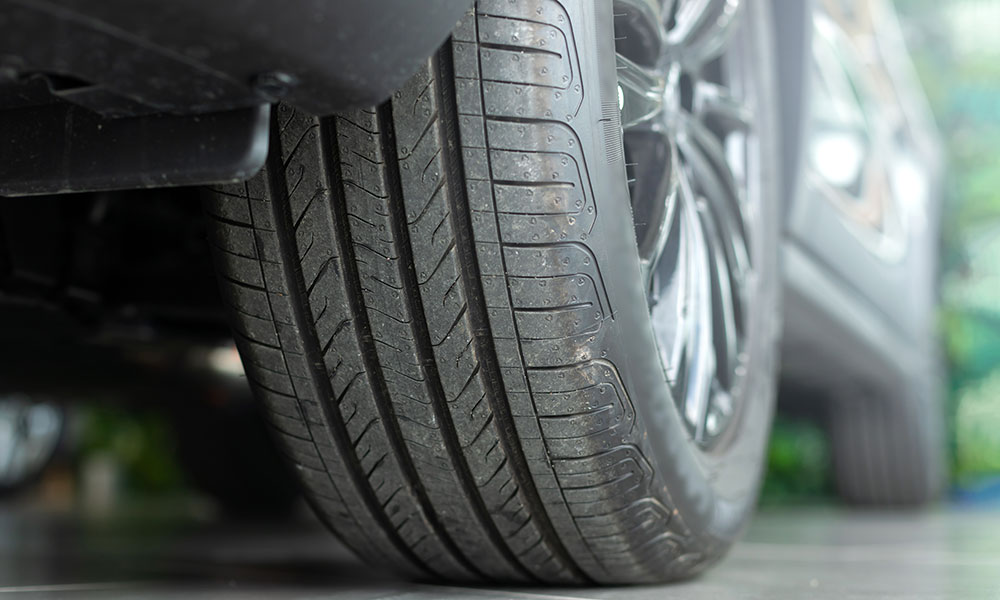
- Tyres appearing visibly lower than usual: A tyre may look flatter at the bottom when parked, or sit lower than the others, which can indicate a slow loss of pressure.
- A change in ride comfort or handling: The car may feel less stable, slower to respond to steering inputs, or softer over bumps, all of which can be signs that tyre pressure isn’t correct.
How to prevent tyres going flat
Here are a few simple checks which can make a big difference to tyre lifespan and safety.
- Check tyre pressures regularly, ideally once a month and before long journeys
- Inspect tyres visually for damage, cracks, or embedded objects
- Avoid potholes and road debris where possible
- Replace old or worn tyres before they become unsafe
- Have valves checked during tyre changes or servicing
Can a flat tyre be repaired?
Not every flat tyre needs to be replaced. If the pressure loss is caused by a small puncture in the tread area, it may be possible to repair the tyre safely, depending on the size, location, and extent of the damage. However, sidewall damage, larger punctures, or tyres that have been driven on while flat often can’t be repaired and may need replacing instead.
If you’re unsure whether your tyre can be repaired, it’s always best to have it professionally inspected first. You can also read our guide on how to change your tyre and how to assess whether it is safe to drive on.
To summarise
Not all flat tyres are caused by punctures. Slow pressure loss is often the result of everyday wear, ageing components, or environmental factors. By keeping an eye on tyre condition and pressure, you can reduce the risk of sudden failures and avoid unnecessary damage or expense.If a tyre keeps losing pressure, it’s always worth having it checked, small issues are far easier to fix before they turn into bigger problems.
If something doesn’t feel quite right, it’s always better to have it checked sooner rather than later. Get in touch with us to give you peace of mind before a small concern turns into a bigger problem.