You don’t always need a full service, here’s when you do

It’s a common assumption that every trip to the garage means booking a full service. In reality, that isn’t always necessary, and in some cases, it can mean paying for work your car doesn’t actually need.
Understanding when a full service is worthwhile (and when it isn’t) helps you look after your car properly, without overspending or cutting corners on safety.
What is a full car service?
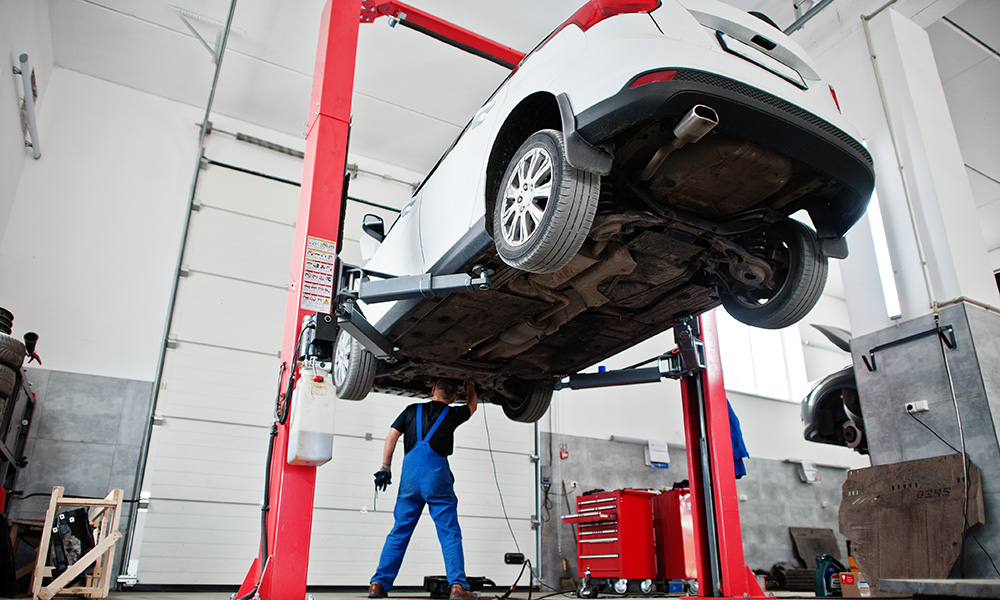
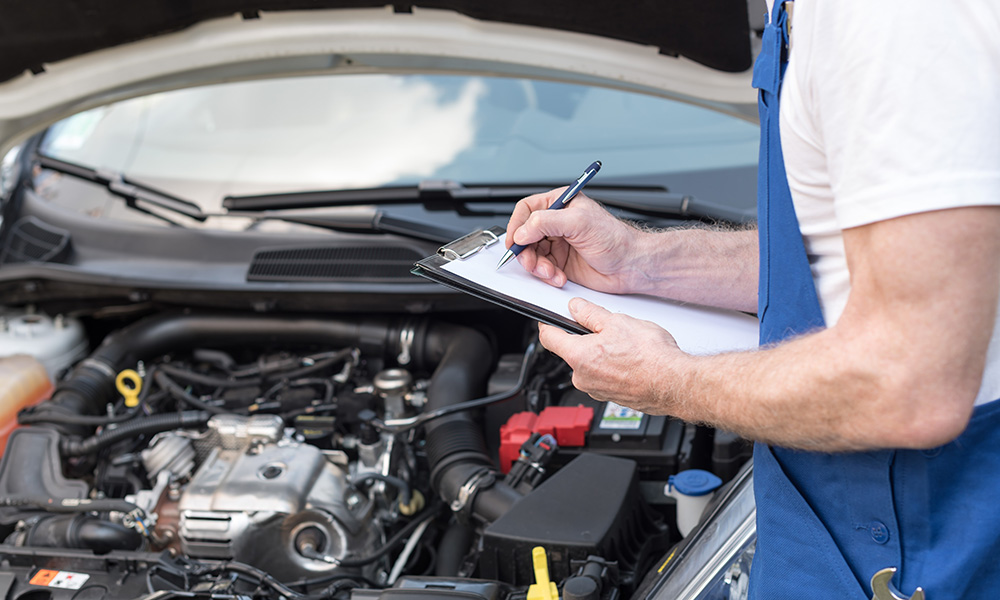
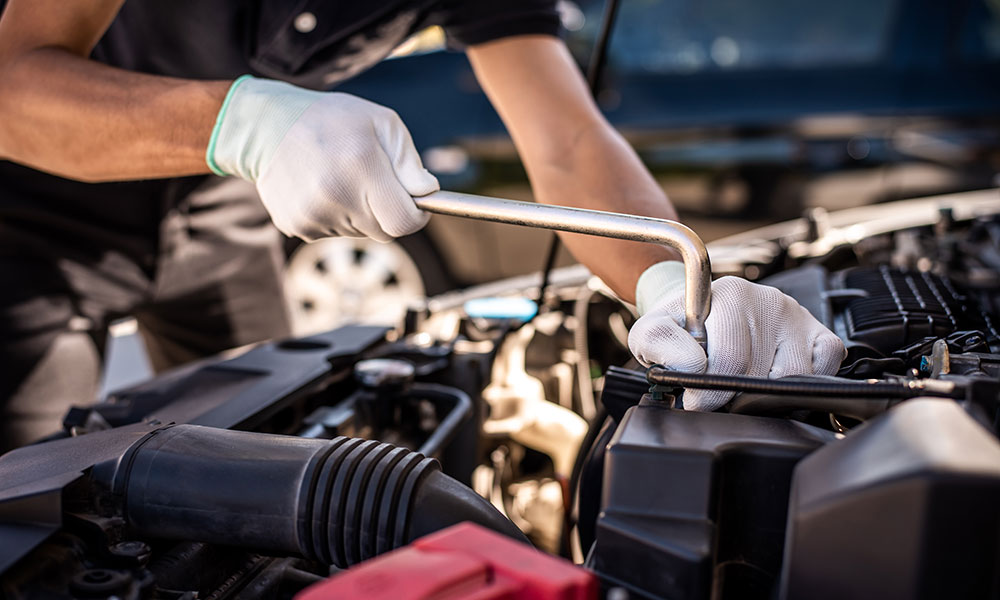
A full service is a comprehensive inspection and maintenance check designed to keep your car running reliably over the long term. It typically includes checks on:
- Engine oil and filters
- Brakes and suspension
- Steering and tyres
- Fluids and leaks
- Battery, lights, and safety systems and more
It’s more in-depth than an interim or basic service, which focuses on the essentials and is often used between annual services.
Here’s a video of some of the things we include in a service.
When you do need a full service
A full service is the right choice in these situations:
- You’re due based on time or mileage: Most manufacturers recommend a full service annually or every 12,000 miles (whichever comes first).
- You drive long distances or use motorways regularly: High-mileage use puts more strain on components that benefit from thorough inspection.
- You’ve bought a used car with limited service history: A full service helps establish a baseline and identify any underlying issues early.
- Your car is showing recurring issues: Poor fuel economy, uneven tyre wear, or repeated warning lights often point to wider problems.
- Your manufacturer’s service schedule specifies it: Skipping required services can affect reliability and, in some cases, warranty cover.
When you probably don’t need a full service
- Your car has been serviced recently: Especially if a full service was carried out within the last 6-12 months.
- You cover low mileage: Occasional or short journeys may not justify a full service every visit.
- You’re dealing with a single, specific issue: Problems like worn brakes, tyres, or a battery fault can often be addressed on their own.
- You drive a newer car with condition-based servicing: Many modern vehicles monitor service needs and don’t require fixed schedules.
In these cases, targeted checks or repairs are often more appropriate, and more cost-effective.
Where interim services fit in
An interim service sits between a basic check and a full service. It focuses on the key items that wear fastest, making it a practical option for certain drivers.
An interim service typically includes:
- Engine oil and oil filter change
- Tyre condition and pressures
- Brake inspection
- Fluid level checks
- Visual safety checks
This type of service is often recommended if you:
- Cover higher mileage throughout the year
- Do lots of short journeys or stop-start driving
- Want added peace of mind between annual services
While an interim service doesn’t replace a full service, it can help catch early wear, maintain engine health, and keep the car running smoothly until a full inspection is due.
The cost difference – full service vs. targeted work
A full service looks at the car as a whole whereas targeted work focuses on one system or fault. If your car is otherwise healthy, addressing the specific issue can save time and money without compromising safety. A good garage will explain this clearly rather than defaulting to a full service every time.
How a good garage helps you decide
A trustworthy garage will:
- Inspect the car before recommending work
- Explain why a full service is (or isn’t) needed
- Provide clear pricing and written estimates
- Match the work to your mileage, usage, and vehicle type
The goal should always be maintaining the car properly, not selling unnecessary services. Going to the garage can be daunting, but a good garage should help you feel comfortable. If you’re a new driver, you can read our tips on going to a mechanic for the first time.
What to ask before agreeing to a full service
- Do I need a full service now, or can this wait?
- What parts or checks are most important for my car?
- Are there alternatives to a full service?
- What would you prioritise if this were your own car?
Clear answers are a good sign you’re in the right place.
Final thoughts: service what matters, when it matters
A full service plays an important role in keeping your car safe and reliable, but it isn’t always the right answer. The best maintenance plans are tailored to the car, the driver, and how the vehicle is actually used.
If you’re unsure what your car needs, ask. An honest assessment now can prevent unnecessary costs and help avoid bigger problems later on. Contact us for further guidance.