New driving laws for 2026: What drivers need to know

New driving laws are coming in 2026 and 2027 – but don’t hit the brakes just yet.
While it might sound daunting, there’s no need to panic. Most of the changes are about keeping up with modern cars, modern roads, and safer driving habits.
These updates are designed to bring the UK’s licensing system up to date, improve road safety, and reflect how driving has changed in recent years. Not every rule will affect every driver, but learners, newly qualified drivers, older motorists, and anyone preparing for a driving test will want to pay close attention.
Not everything is set to change overnight, but there are a few key updates every driver should have on their radar.
What you can expect in this blog:
- Learner and new drivers face tighter rules
- Driving tests are changed to be more like real life
- Digital driving licences arrive from 2027
- Mobile phone offences carry harsher consequences
- Older drivers see renewed focus on fitness to drive
We are here to break it all down: what’s changing, what’s being introduced gradually, and what drivers should be aware of that’s coming soon.

Driving test changes in 2026
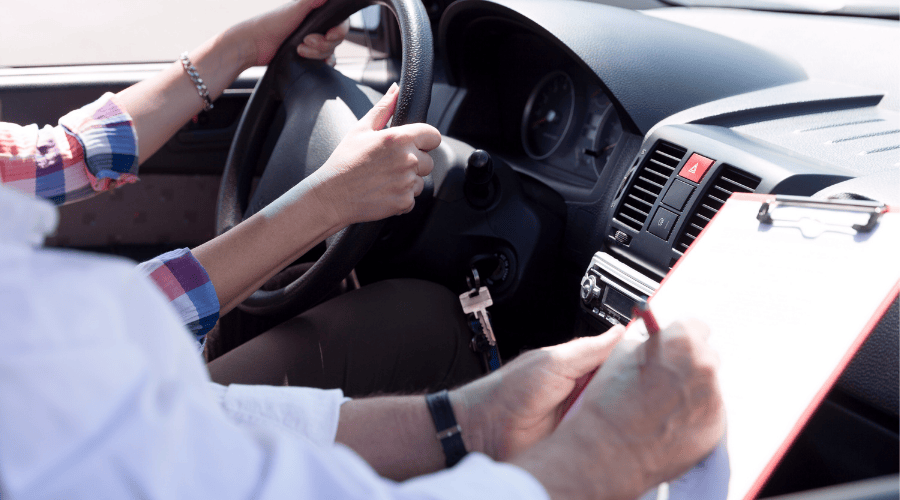
The new driving test rules for 2026 are expected to place greater emphasis on real-world driving skills, reflecting how modern vehicles and road conditions have evolved. While the core structure of the test remains the same, updates are designed to better prepare learner drivers for everyday driving, not just passing an exam.
Theory and practical test updates
The theory test continues to adapt to modern driving challenges, with increased focus on:
- Hazard perception in complex or high-risk situations
- Smart motorways, including variable speed limits and lane management
- Electric and hybrid vehicle awareness
- Advanced Driver Assistance Systems (ADAS), such as lane assist and automatic braking
- First aid awareness, with questions covering how drivers should respond to medical emergencies, including basic knowledge of CPR and the use of public defibrillators
The practical test is also evolving to better reflect real driving, including:
- Minimum learning period: Plans are being considered to introduce a minimum learning period before learners can book their practical test, designed to boost road safety and ensure drivers are better prepared.
- Fewer routine stops on tests: driving tests will soon include fewer ‘normal stops’ (reduced from 4 to 3), spending more time on faster roads.
- Confident use of sat-nav systems rather than memorised routes: Sat-nav use is now a core part of the test, reflecting everyday driving habits. This helps assess awareness, planning, and the ability to stay calm when directions change or mistakes happen.
- Handling busy junctions, multi-lane roads, and mixed traffic conditions: Tests are spending more time on faster roads and complex traffic environments. To support this shift, the number of routine “normal stops” is being reduced from four to three, allowing more time to assess driving at speed.
- Less emphasis on emergency stops: The emergency stop manoeuvre is becoming less frequent, now appearing in roughly 1 in 7 tests instead of 1 in 3, focusing the assessment on everyday driving skills rather than rare scenarios.
- Greater flexibility in independent driving: Independent driving may not be new, but it’s now more flexible – and can run for the full test. This better reflects real-world driving, where decision-making and adapting to changing directions happens continuously.
The aim is to assess awareness, decision-making, and safe driving habits in realistic scenarios.
Test availability and booking changes
There is ongoing work to improve driving test availability following long waiting times in recent years. Changes focus on making the booking system fairer, reducing misuse, and cutting down backlogs.
One key update is that learners are now expected to book their own driving tests, rather than relying on an instructor to do it on their behalf. This is intended to give candidates more direct control and reduce third-party block bookings that limit availability.
There are also stricter rules around cancellations and amendments. Learners must now give at least 10 working days’ notice if they need to change or cancel their test, or they risk losing the test fee. This aims to reduce last-minute cancellations and free up slots for others.
While test availability can still vary depending on location, these changes are designed to create a more transparent, efficient system and improve access over time.
New driving laws for learner & new drivers
The driving laws for new drivers continue to place strong emphasis on safety, particularly during the early stages of learning and the first years after passing a test. While not all rules are new, enforcement and expectations are tightening as part of the 2026 updates.
Changes affecting learner drivers
Learner drivers are expected to meet clearer standards around supervision and practice. Key requirements include:
- Being supervised by a qualified driver who meets minimum age and experience criteria
- Ensuring the supervising driver is legally able to supervise and properly insured
- Gaining experience across a range of driving conditions, including busier roads and varied environments
These requirements have always been in place, but authorities are now placing greater emphasis on enforcement and compliance. The aim is to help learners build confidence and competence before taking their test.
After passing the test
Once a test is passed, new drivers enter a probationary period where standards are higher and penalties are more severe. This includes:
- Lower penalty point thresholds, meaning licences can be revoked more quickly
- Stricter enforcement of offences such as speeding and mobile phone use
- Increased attention on insurance compliance and responsible driving behaviour
While restrictions such as night-time driving limits or passenger caps are not currently applied nationwide, these measures continue to be discussed as part of broader road safety strategies.
Digital driving licences: What’s coming in 2027
Digital driving licences are planned as part of a wider update to the UK’s licensing system. Rather than replacing physical licences, they will work alongside them, giving drivers the option to store licence details securely on a smartphone or approved app.
Pilot schemes are expected before a wider rollout from 2027, allowing the system to be tested and refined. Digital licences may be used for traffic stops, identity checks, and vehicle hire, helping to reduce paperwork and speed up everyday processes.
Importantly, there’s no action required from drivers in 2026. Physical licences will remain valid, and the move to digital is expected to be gradual, giving drivers time to adapt – but it’s a good one to be aware of now.

Mobile phone & driver distraction laws
Using a handheld phone while driving has always been illegal – and enforcement is getting stricter. Fines and penalty points are now applied more consistently to keep everyone safer.
Hands-free use is allowed, but you must stay fully in control. Even hands-free calls or interacting with infotainment systems, touchscreens, or smartwatches can still count as distractions if they affect your driving.
For learners and new drivers, there’s zero tolerance. Any mobile phone offence can quickly lead to licence revocation during the probationary period – one of the fastest ways to lose your licence.
The bottom line: if you’re behind the wheel, your attention should be on the road, not your devices.
Proposed changes to drink-driving limits
The UK government is consulting on plans to lower the legal drink-drive limit in England and Wales from 35 to 22 micrograms of alcohol per 100ml of breath, bringing it in line with Scotland’s stricter limit.
The aim is to reduce accidents caused by impaired driving and improve road safety for all. Even small amounts of alcohol can affect reaction times, decision-making, and vehicle control—so the change would mean drivers need to be extra vigilant.
For new drivers and those on probationary licences, the lower limit will make it even more critical to avoid drinking before driving entirely.
Driving laws for older drivers
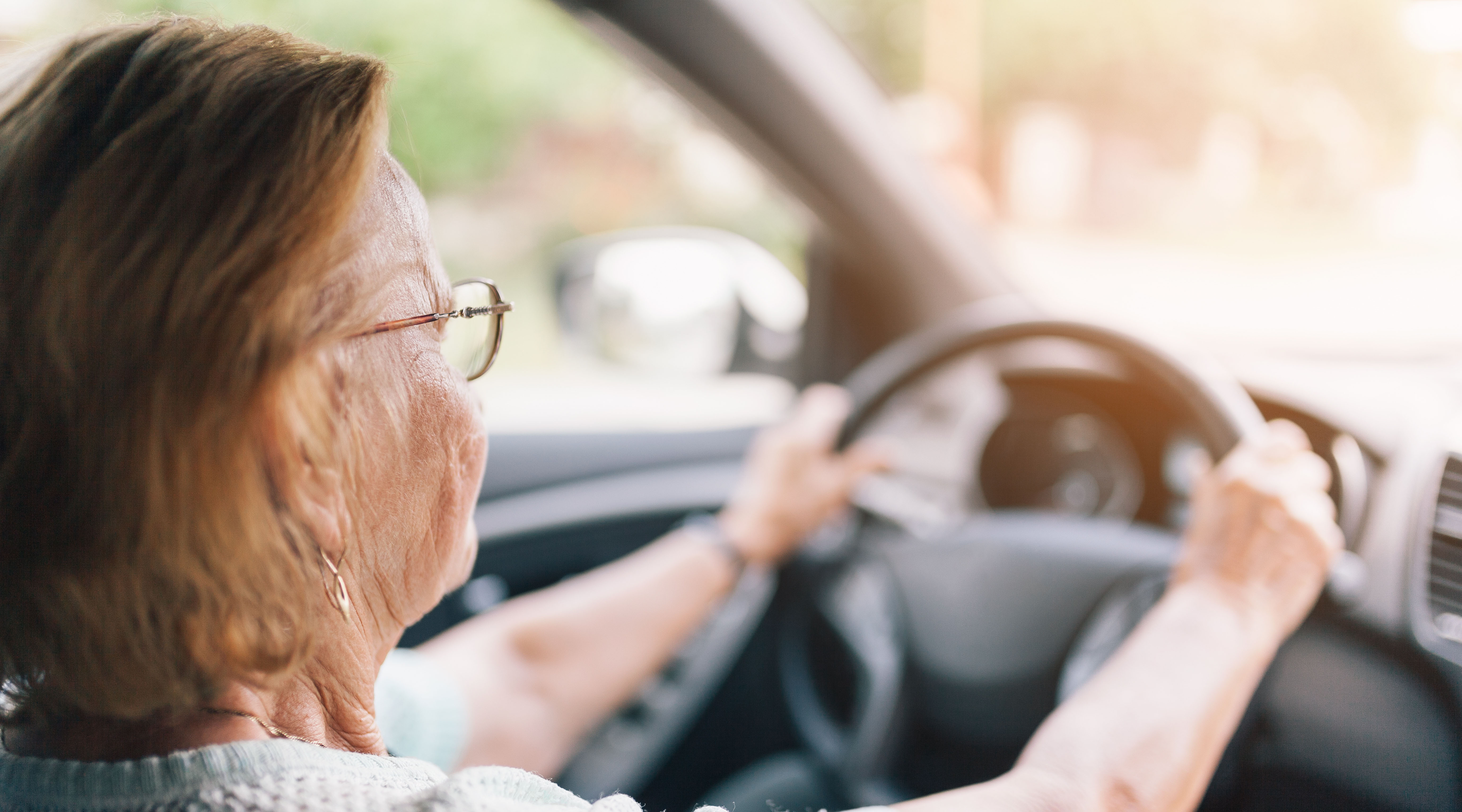
Drivers aged 70 and over must renew their licence every three years. This remains free and involves confirming medical fitness to drive, rather than retaking a driving test.
As part of the renewal, drivers must complete a self-declaration of medical fitness, confirming whether they have any conditions that could affect their ability to drive safely. This system continues in 2026, with increased emphasis on accuracy and responsibility rather than additional testing.
Drivers are expected to meet minimum vision standards, including being able to read a number plate from the required distance. Certain medical conditions, such as eyesight issues, diabetes, heart conditions, or neurological disorders, may need to be declared, and in some cases supported by medical advice.
Major consultation: Mandatory eyesight tests
On 7 January 2026, the Department for Transport launched a major consultation on introducing mandatory eyesight testing for older drivers. Under proposals within the upcoming Road Safety Strategy, drivers aged 70 and over could be required to take compulsory eyesight tests every three years. This would be a significant change, aimed at keeping older drivers safe while maintaining independence on the roads.
The aim of these requirements is not to limit independence, but to support safe and confident driving for as long as possible. Keeping licences up to date and health information accurate helps ensure everyone on the road remains safe.
Other notable driving law updates in 2026
Alongside the main changes, there are several other updates drivers should be aware of in 2026:
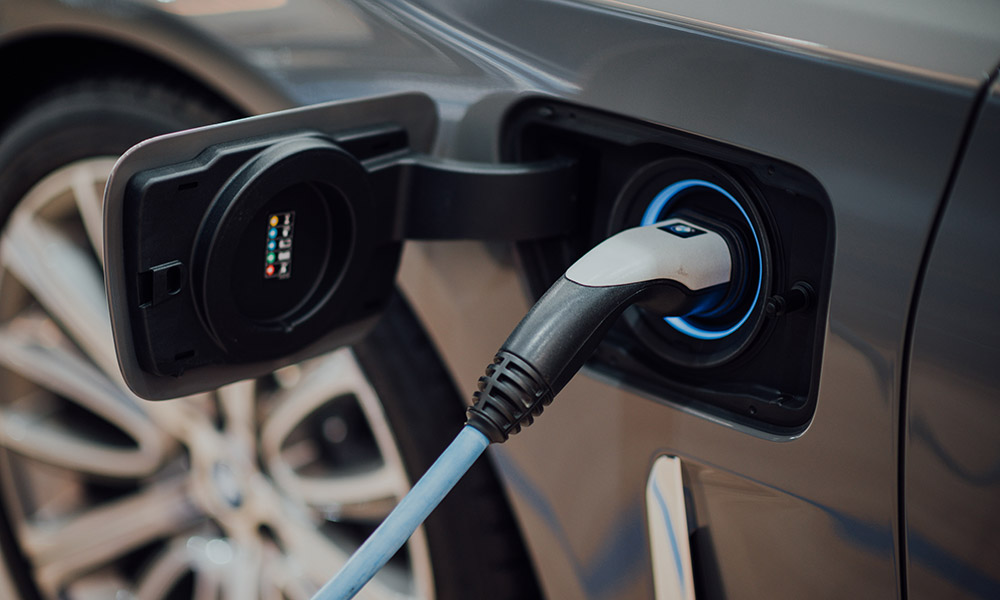
- Electric vehicle considerations: As EVs become more common, there is increased focus on driver awareness around charging safety, silent running at low speeds, and understanding EV-specific dashboard alerts. In 2026, further taxes may be added for EV owners, including a potential road pricing scheme charging around 3p per mile to offset lost fuel duty revenue.
- Smart motorways and road safety technology: Continued use of smart motorway systems, variable speed limits, and camera enforcement aims to improve traffic flow and reduce incidents.
- Insurance and data reporting: Greater use of digital systems means insurance details, licence status, and vehicle data are more easily checked, helping improve compliance and enforcement.
- Penalties and enforcement: Ongoing use of technology-led enforcement, such as cameras and automatic checks, supports more consistent application of driving laws.
What drivers should do now
While not every change requires immediate action, there are simple steps drivers can take to stay prepared:
- Stay informed by keeping up to date with confirmed guidance and updates
- Prepare early if you’re learning to drive, with a focus on real-world driving skills
- Review everyday habits, particularly mobile phone use and in-car distractions
Conclusion: Staying legal on the road in 2026
The driving law changes coming into 2026 aren’t about catching drivers out, they’re about making sure the rules keep up with how we drive today. Whether you’re learning to drive, newly qualified, or have years of experience, knowing what’s changing can make a real difference to your confidence on the road.
We stay on top of updates that affect both drivers and vehicles, so we can give straightforward, honest advice when you need it. A little awareness goes a long way, and staying informed is one of the simplest ways to keep driving safely and legally.
At Vasstech, we’re here to guide local drivers with clear, practical advice. Whether you’re planning your next service, wondering about repairs, or just need help figuring out the best steps for your car, you can rely on our experience and honest guidance to point you in the right direction.