Audi, VW, Skoda & SEAT – What’s the Difference? A Specialist Garage’s Perspective
When customers visit our VW Group specialist garage, one question that always comes up is: “Audi, Volkswagen, Skoda, SEAT – what is the actual difference?”
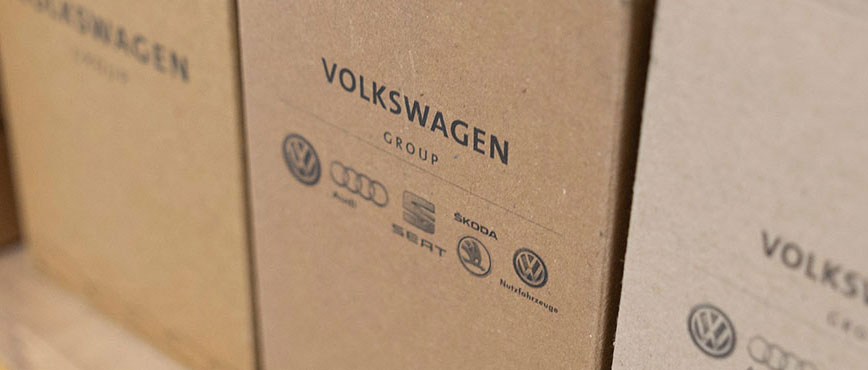
On the surface, these four car brands seem very different: Audi is premium, Skoda is practical, VW is the all-rounder, and SEAT has a sporty reputation. But behind the badges, they all belong to the Volkswagen Group (VAG) and share a huge amount of engineering similarities. That means similar platforms, shared engines, and familiar maintenance requirements across the range.
Let’s break down the real differences between the four from our perspective as a VAG-trained, specialist garage. We will be focusing on reliability, maintenance, servicing costs, and ownership experience.
Understanding the Volkswagen Group: Shared DNA, Different Personalities
The Volkswagen Group is built on a clever engineering strategy. They developed one set of components, used them across multiple brands, and customised each brand’s personality through design, trim, and technology. This means that an Audi A3, VW Golf, Skoda Octavia and SEAT Leon may look different, but underneath they share:
- The same MQB platform (the model’s underlying structure)
- The same TSI (petrol) and TDI (diesel) engine families
- Similar DSG (direct-shift gearbox) gearbox technology
- Shared electronics, sensors, and control modules
So if the bones are the same, what actually sets the brands apart?
An Overview of the Four Brands
Volkswagen: The All Rounder
Volkswagen (VW) is known as the in-between VAG model; balanced and for everyday use.
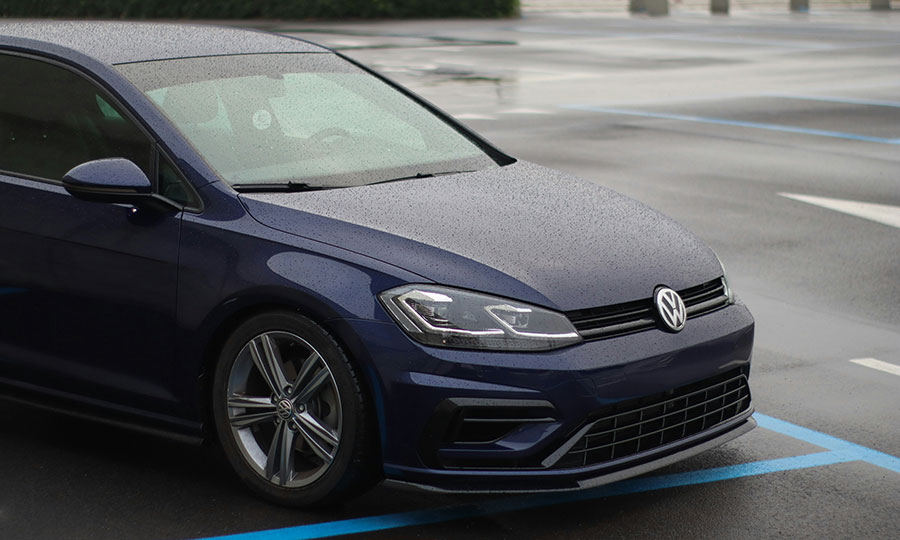
Its qualities include:
- A solid, confidence-inspiring build
- Comfort, refinement and a premium feel without premium pricing
- A wide model range suitable for families, commuters, business users and long-distance drivers
- Strong residual values and excellent parts availability
- User-friendly technology and ergonomics that make VW vehicles easy to live with.
The most popular VW models include the:
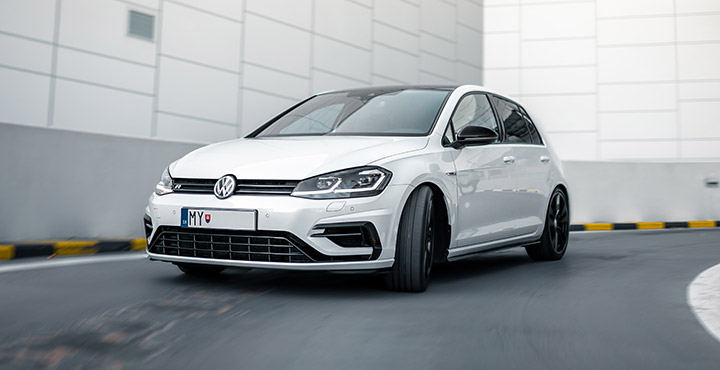
- Golf: The discontinued, all-rounder hatchback and VW’s best-known model
- Polo: A compact, reliable choice for city and first-time drivers
- Passat: A roomy, comfortable option for business and high-mileage users
- Tiguan: A hugely popular family SUV with strong practicality
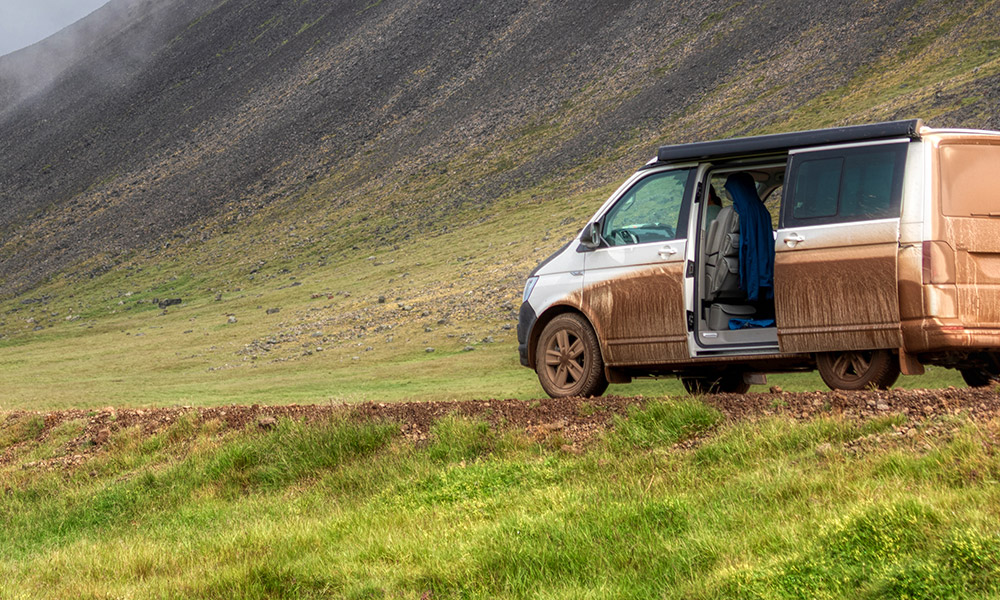
- Transporter: Favoured for both commercial use and camper conversions.
Typical VW workshop findings:
We’d describe Volkswagen as the template for the other VAG brands. Their cars set the standard that others build from – well-engineered, predictable to service and generally straightforward to maintain.
Common Volkswagen Problems:
Although Volkswagen models are generally well-balanced and dependable, there are several recurring issues that we sometimes see in the workshop. These include:
- EGR faults on some diesel models
- Early DSG mechatronic issues on older seven-speed gearboxes
- Timing chain noise on older 1.4 and 1.8 TSI engines
- Water pump/thermostat leaks on certain TSI engines
- Coil pack failures on petrol engines.
Most of these are well-known, predictable and typically resolved with routine maintenance or timely repairs.
Volkswagen Maintenance Schedule:
Volkswagen models usually follow either Fixed or LongLife (variable) service intervals.
- Fixed Service: Every 10,000 miles or 12 months, ideal for city driving or shorter journeys
- LongLife (Variable): Up to 18,000-20,000 miles or 24 months, depending on driving style
- DSG Gearbox (wet-clutch models): Typically every 40,000 miles for an oil and filter change.
Ideal Driver Profile:
Drivers wanting reliable, well rounded, good quality cars without premium pricing.
Audi: Premium, Advanced and Complex
Audi sits at the top of the VAG family with premium materials, advanced technology and higher complexity.
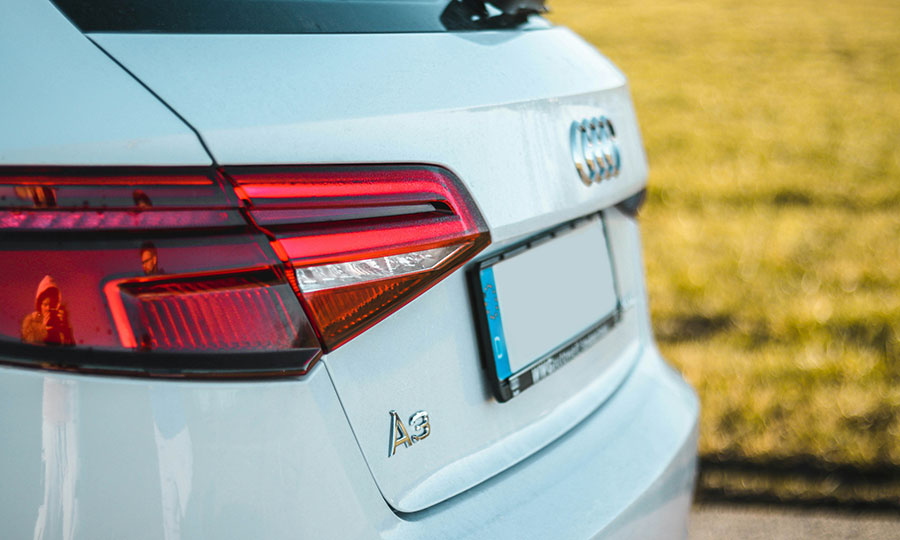
Key features include:
- High-quality interiors with excellent materials
- A refined, quiet driving experience
- Strong performance options across petrol, diesel and hybrid engines
- Advanced infotainment and driver-assistance systems
- A polished, premium brand without the extremes of luxury-car running costs.
The most popular Audi models include the:
- A3: A premium, compact hatchback with strong build quality and refined engines.
- A4: A staple for business drivers, offering comfort, efficiency and a premium feel.
- A6: A larger executive option known for long-distance comfort and technology.
- Q3: A popular compact SUV combining practicality with Audi’s premium interior quality.
- Q5: A well-balanced midsize SUV, strong for families wanting comfort and refinement.
Typical Audi Workshop Findings:
From a servicing perspective, this added tech provides a high-quality experience, but also more components that can go wrong. But that’s what we’re here for!
Common Audi Problems:
Although Audi sits at the premium end of the VAG range, their more advanced technology and heavier components can lead to certain recurring issues. These typically include:
- Occasional control unit glitches (MMI, body control, gateway modules)
- Higher oil consumption on some early TFSI engines
- MagRide suspension wear on models with adaptive damping
- Display/infotainment issues such as screen freezes or reboots
- Quicker wear of brakes and suspension components on heavier or sportier models.
Audi Maintenance Schedule:
Audi uses similar servicing logic to Volkswagen, with both Fixed and Flexible schedules available.
- Fixed Service: Every 10,000 miles or 12 months, recommended for regular urban or short-trip driving
- Flexible Service: Up to 18,000 miles or 24 months, suited to long-distance drivers
- S-Tronic / DSG Gearbox: Gearbox servicing typically required every 40,000 miles.
Ideal Driver Profile:
Drivers prioritising refinement, comfort, technology, and a premium badge.
Skoda: Practical, Spacious, Value-Packed
Skoda has become a favourite among high-mileage drivers, families, and taxi/private hire owners.
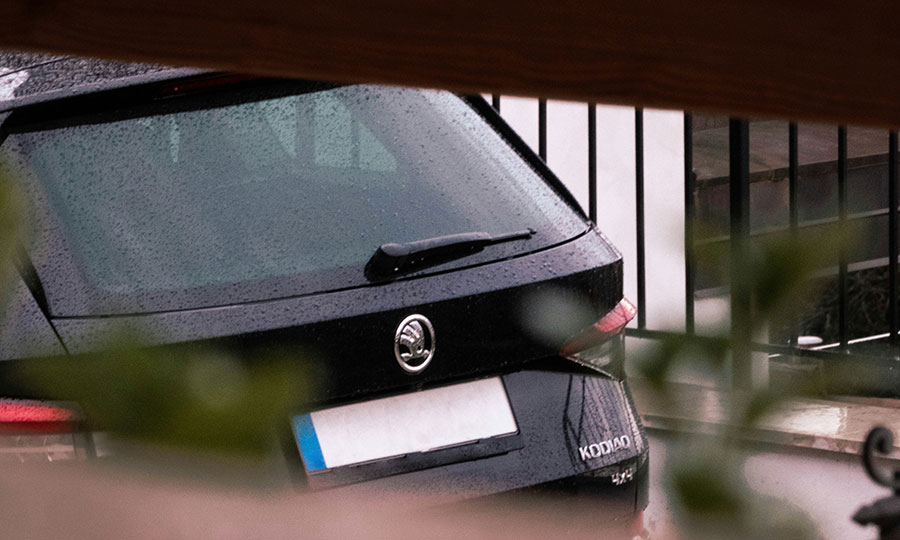
Expect:
- Exceptional interior space and practicality
- Excellent value for money versus competitors
- Solid, reliable engineering shared across the VAG group
- Comfortable ride quality suited to families and long-distance drivers
- Clever features that make everyday use easier
The Most Popular Skoda Models include the:
- Fabia: A dependable, efficient small car ideal for city and everyday use
- Octavia: Skoda’s best-selling model, offering huge interior space and excellent value
- Superb: A roomy executive car known for luxury-level comfort at a lower price point
- Karoq: A practical and family-friendly compact SUV
- Kodiaq: A large SUV with seven-seat options, great for growing families.
Typical Skoda Workshop Findings:
- Fewer electronic issues
- Servicing and parts costs are typically lower
- Very robust diesel engines for long-distance use
Common Skoda Problems:
Skoda is the most reliable of the four VAG brands, but it does experience a few recurring issues. These include:
- DPF blockages on high-mileage diesel models
- Boot wiring loom wear on some estate versions
- Water pump/thermostat leaks on certain TSI engines
- Occasional rear door lock module faults
- Heater blower resistor issues affecting fan speed control.
These problems are usually mileage-related and are typically straightforward to diagnose and repair when caught early.
Skoda maintenance schedule:
Skoda follows the same VAG service system but is widely known for cost-effective upkeep.
- Fixed Service: Every 10,000 miles or 12 months, ideal for mixed or short-distance driving
- LongLife (Variable): Up to around 18,000 miles or 24 months, depending on driving style and model
- DSG Gearbox (where fitted): Usually requires an oil and filter change at 40,000 miles.
Ideal Driver Profile:
Drivers wanting maximum space, reliability, and value for money.
SEAT: Sporty, Youthful, and Stylish
SEAT focuses on bold styling and a sportier driving feel. CUPRA, now its own sub-brand, pushes the performance angle further.
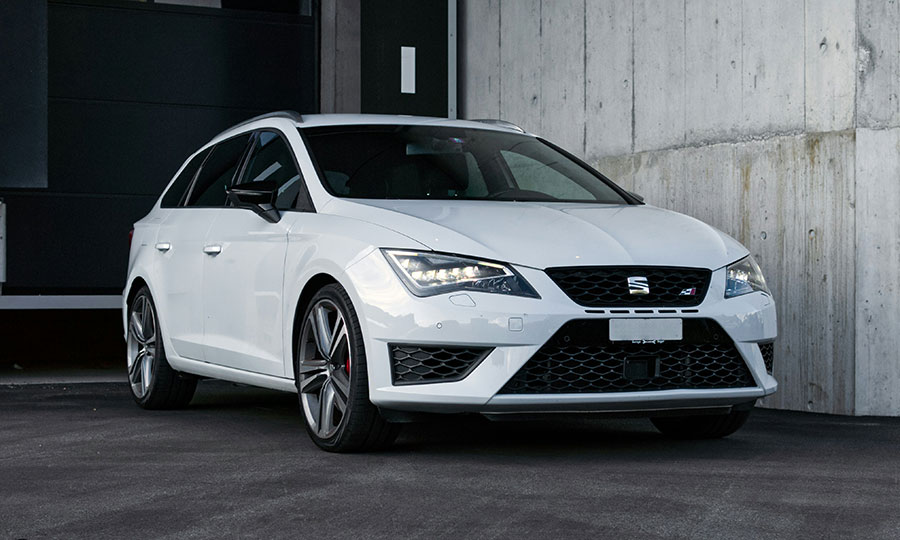
Strengths include:
- Sportier styling and driving dynamics
- Affordable running costs
- Sharp, youthful design inside and out
- A strong overlap with VW engineering at a lower entry price
- Efficient engines ideal for both city and motorway use
- More dynamic driving characteristics.
The most popular SEAT models are the:
- Ibiza: A sporty, efficient small hatchback popular with new and urban drivers
- Leon: SEAT’s best-selling model, offering sharp styling and VW-group engineering
- Ateca: A well-liked compact SUV combining practicality with a sporty feel
- Arona: A smaller crossover that’s affordable, economical and city-friendly
- Tarraco: A larger SUV with seven seats, ideal for families needing extra space.
Typical SEAT Workshop Findings:
- Increased brake and tyre wear due to sportier setups
- Turbo-related issues on performance models if not well maintained
Common SEAT Problems:
SEAT vehicles offer sporty styling and driving dynamics, but this also means they encounter certain issues more frequently, particularly when driven enthusiastically or used for performance. These include:
- Turbo wear on CUPRA and FR models driven hard
- Lower control arm bush wear due to firmer suspension setups
- Cooling system leaks on certain TSI engines
- DSG clutch wear on dry-clutch gearboxes
- Occasional wheel bearing noise on higher-mileage cars.
SEAT maintenance schedule:
SEAT shares most of its servicing intervals with the rest of the VAG group.
Fixed Service: Every 10,000 miles or 12 months, suited to everyday commuting or shorter trips
Variable Service: Up to 18,000 miles or 24 months, for longer journeys or motorway use
DSG Gearbox (selected models): Generally serviced at 40,000 miles
Regular servicing helps maintain SEAT’s sporty performance and keeps running costs low.
Ideal Driver Profile:
Drivers who want style, sportiness, or a more exciting drive without Audi-level pricing.
So… Which Brand Is “Best”?
There’s no single answer, it all depends on the driver. But to summarise, here are what we voted was the best for:
- Reliability: Skoda
- Luxury and comfort: Audi
- All-rounder: Volkswagen
- Fun or sporty driving: SEAT / CUPRA
- Long-term value: Skoda
- Premium performance: Audi S/RS models or CUPRA (depending on budget)
Each brand offers something unique, even if their foundations are shared.
What We Can Offer as a Specialist VAG Garage:
As a dedicated VAG specialist garage, we offer a range of advantages over general garages or main dealers. These include brand-specific diagnostic tools, deep knowledge of shared VAG components, trained technicians experienced with Audi, VW, Skoda & SEAT systems, access to OEM and genuine parts, lower labour rates than main dealers and the ability to spot platform-specific issues early. If your VAG vehicle is due a service, we’re the experts you can rely on.
Our expertise ensures your car gets the right care, whatever the badge on the bonnet.
Audi, VW, Skoda and SEAT may share their engineering DNA, but they deliver very different ownership experiences. Understanding these differences helps you choose the right car, and maintain it properly for years to come.
If you drive a VAG vehicle and want expert servicing, diagnostics or advice, Vasstech are here to help.