Which warning lights need immediate attention?
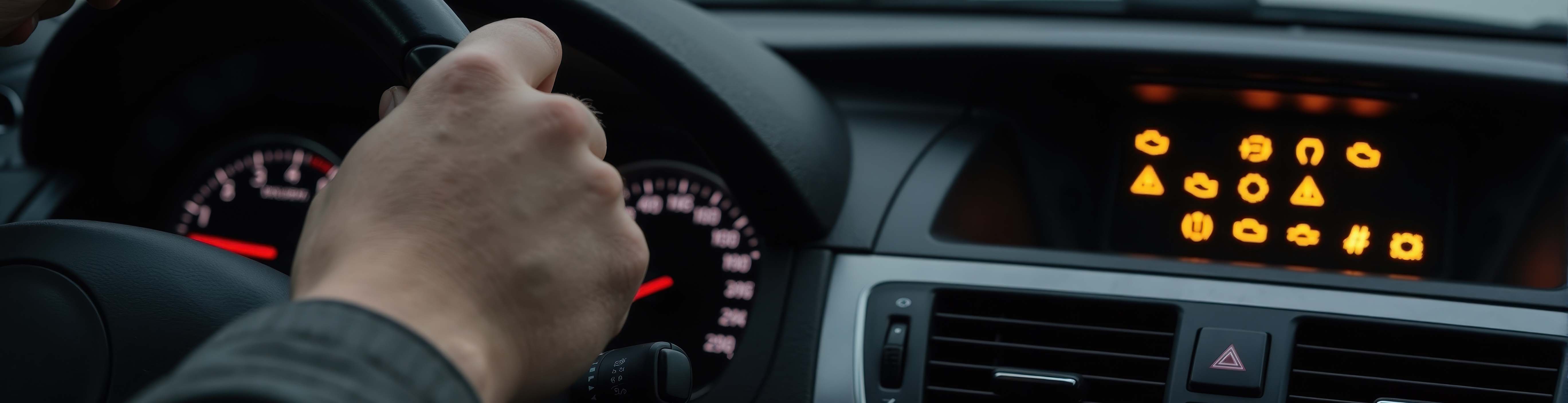
Modern cars are packed with tech but when a warning light appears on your dashboard, it’s your vehicle’s way of telling you something isn’t right. Some lights are harmless reminders but others mean you should stop driving as soon as it’s safe.
Knowing the difference can help you avoid breakdowns, costly repairs, or even serious safety issues. Below, we explain which warning lights need immediate attention and what to do if one appears.
🚨 Warning lights you should never ignore
Some warnings are advisory. Others are urgent. The lights below fall firmly into the second category and should always be taken seriously, as ignoring them can quickly lead to mechanical damage or safety risks.
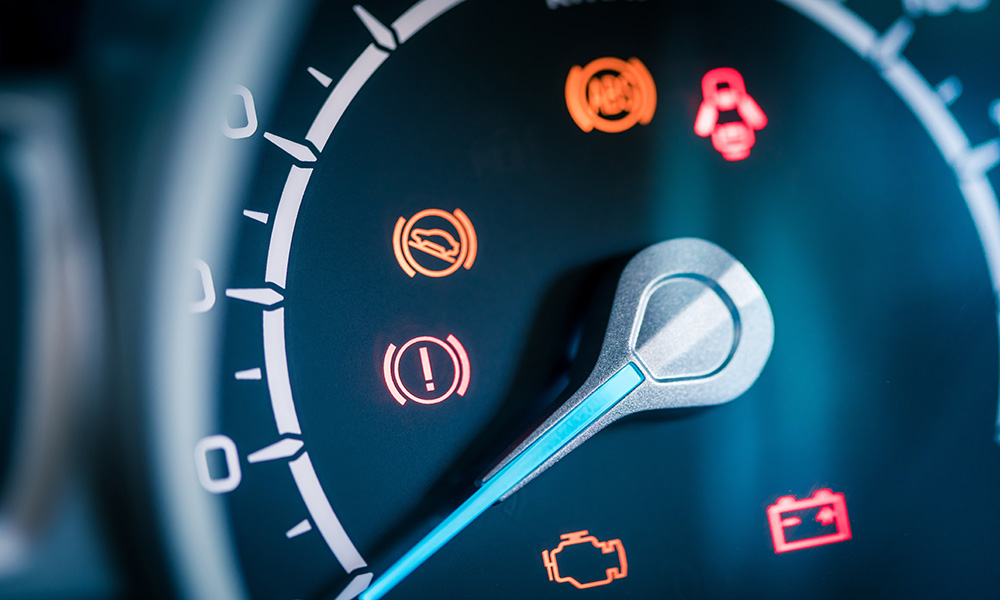
🔴 Engine management light (check engine light) 
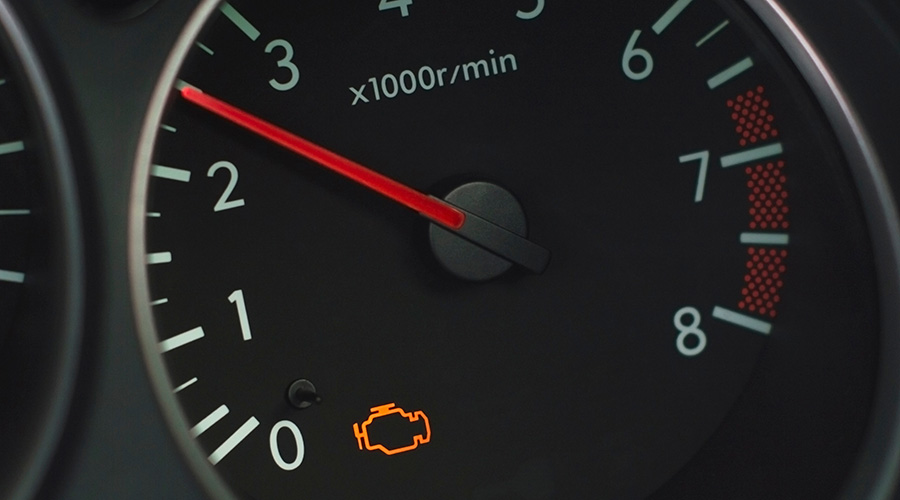
These warning lights indicate faults that can cause serious damage or safety issues if ignored.
Why it happens:
The engine management light can come on for many reasons, including:
- Engine misfires – one or more cylinders aren’t firing correctly.
- Faulty sensors – such as oxygen sensors, mass airflow sensors, or crankshaft sensors.
- Emission system problems – issues with the catalytic converter or exhaust system.
- Fuel system issues – fuel injectors or pumps not working properly.
- Electrical or wiring faults – loose or damaged wires affecting engine control.
What to do: If this light is flashing, stop driving immediately – it often indicates a serious engine misfire that could cause major damage. If it’s solid, the car may still drive, but it should be checked as soon as possible to prevent further issues.
🔴 Oil pressure warning light
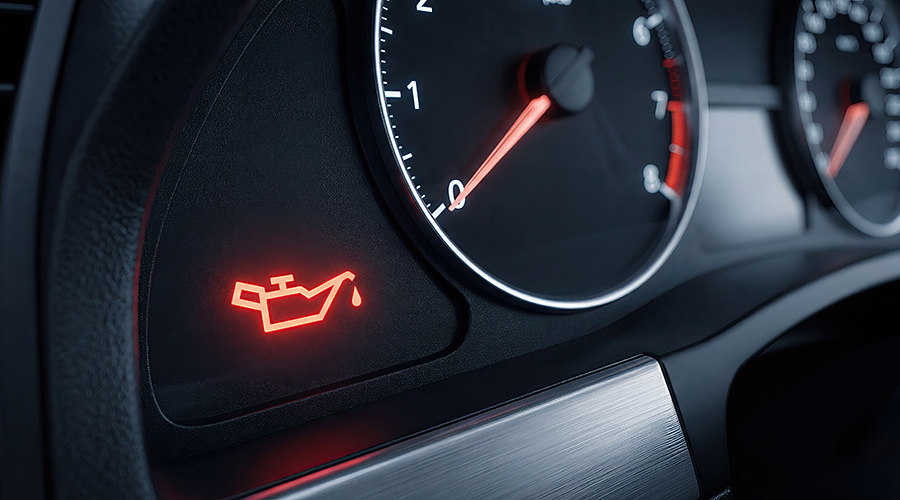
This is one of the most critical warnings. It means the engine isn’t getting enough oil pressure.
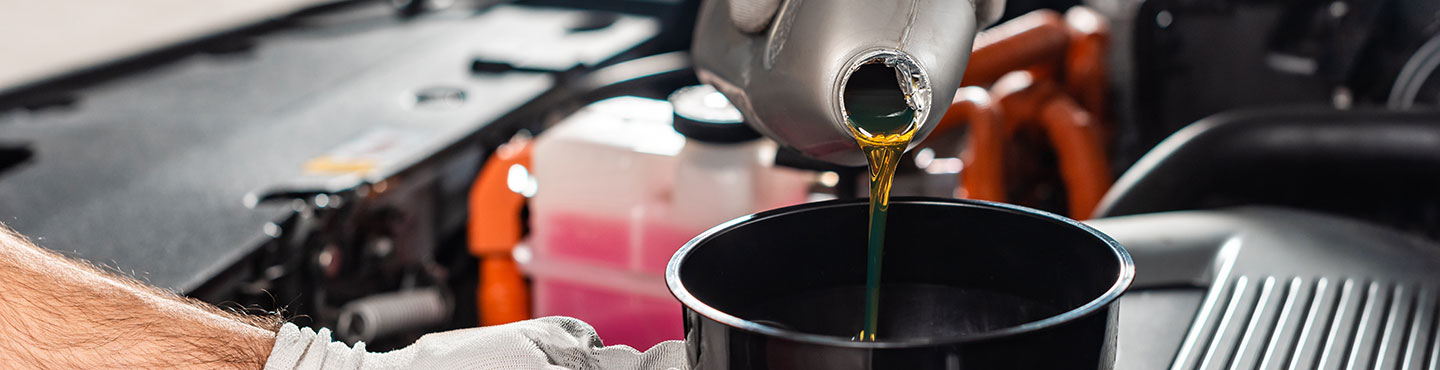
Oil is what keeps your engine lubricated, prevents friction, and helps maintain engine temperature. Low oil pressure means parts aren’t being properly lubricated, which can cause severe damage very quickly.
Why it happens:
Low engine oil pressure can occur for several reasons:
- Low oil level – if there isn’t enough oil in the engine, pressure drops.
- Oil pump failure – the pump that circulates oil may be worn or broken.
- Blocked oil passages or dirty oil – sludge or debris can restrict flow.
- Faulty oil pressure sensor – sometimes the sensor gives a false warning.
- Engine wear – worn bearings or components can reduce pressure.
What to do: Pull over safely and switch off the engine immediately. Driving with low oil pressure can cause catastrophic engine failure within minutes.
🔴 Brake system warning light
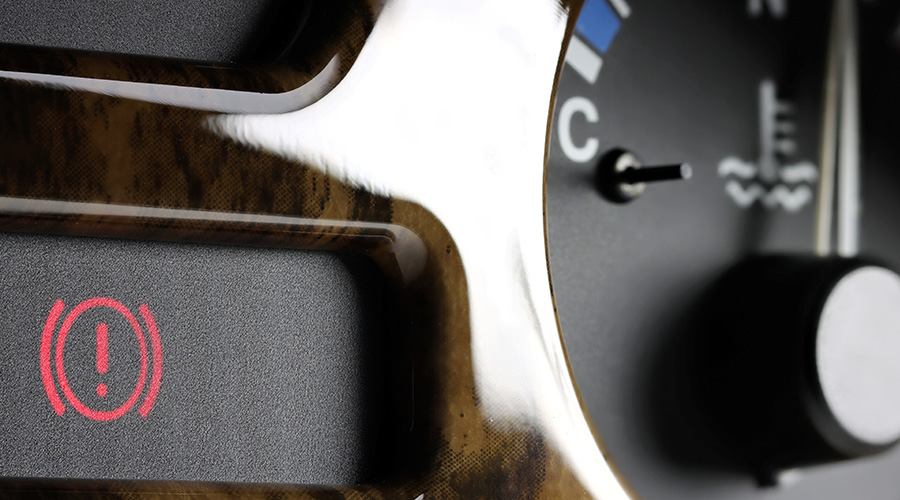
This warning light signals that there’s a potential issue with your vehicle’s braking system. It’s one of the most important lights to take seriously, as brakes are critical for your safety. Ignoring it could reduce your stopping power and put you and others at risk on the road.
Why it happens:
Common reasons for the brake system warning light include:
- Low brake fluid – the fluid level may have dropped, reducing hydraulic pressure.
- Fault with the braking system – issues with brake pads, discs, or sensors.
- Handbrake engaged or faulty – the handbrake may not be fully released or the sensor could be malfunctioning.
- ABS or electronic brake faults – problems with the anti-lock braking system can also trigger the light.
What to do: If the light stays on while driving, get the vehicle checked urgently – your braking ability may be reduced.
🔴 Battery / charging system light
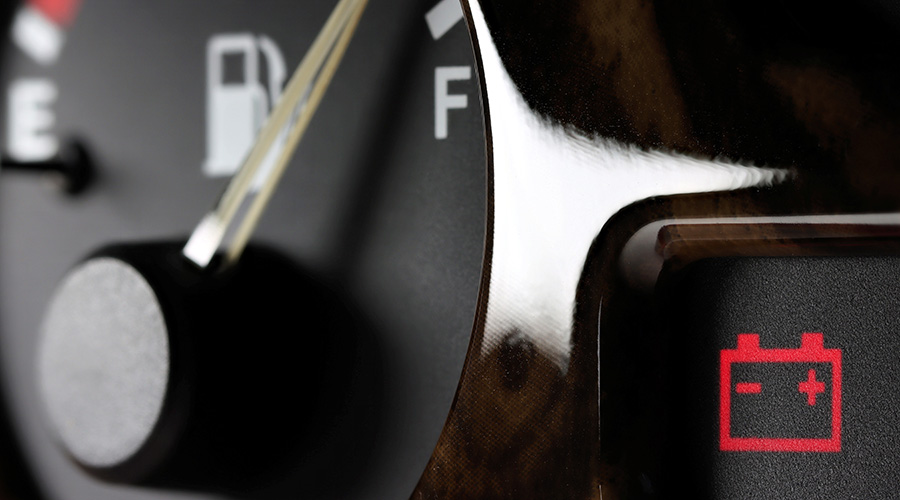
This warning light indicates a problem with your vehicle’s charging system. It means the alternator isn’t properly charging the battery, so your car is running on battery power alone. If ignored, your car could lose power and stop running, leaving you stranded.
Why it happens:
Common causes of this light include:
- Faulty alternator – the alternator may not be generating enough power.
- Battery issues – a failing or worn-out battery can trigger the warning.
- Loose or corroded connections – poor wiring between the battery and alternator.
- Serpentine belt problems – if the belt driving the alternator is broken or slipping.
What to do: You may have limited driving time before the battery fails completely. Book an inspection as soon as possible.
🔴 Coolant temperature warning light
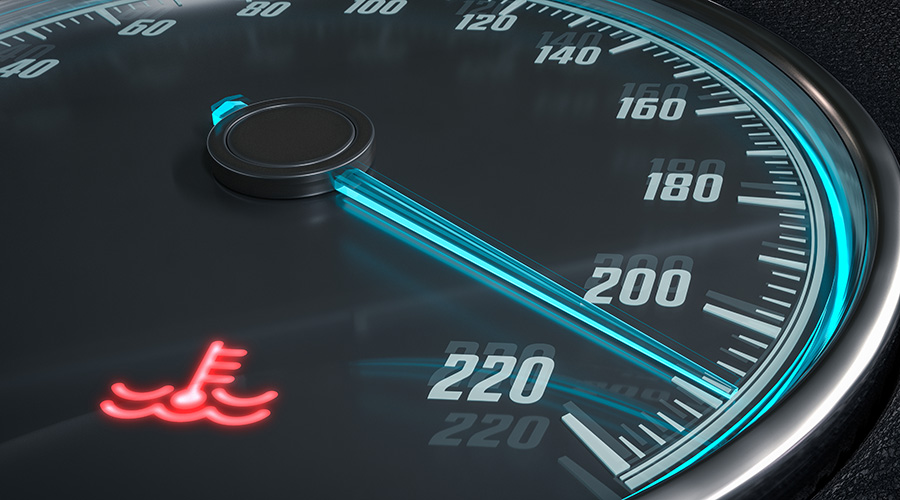
This warning light indicates that your engine is overheating, which is a serious issue that should not be ignored. Overheating can cause severe engine damage, warping components, or even total engine failure if you continue driving.
Why it happens:
Common causes of the coolant temperature warning light include:
- Low coolant level – not enough coolant to regulate engine temperature.
- Faulty thermostat – prevents coolant from circulating properly.
- Water pump failure – stops coolant from flowing through the engine.
- Blocked or leaking radiator – reduces the cooling system’s efficiency.
- Cooling fan problems – fans not operating correctly, causing heat buildup.
What to do: Stop driving immediately and turn off the engine. Continuing to drive could cause severe engine damage. Call a mechanic or roadside assistance to inspect and repair the issue – continuing to drive risks serious engine damage.
🟠 Warning lights that still beed prompt attention
These aren’t usually immediate emergencies but should be checked soon:
- ABS warning light: Your normal brakes will still work, but the anti-lock braking system may not activate during hard braking. This can increase stopping distances, especially on wet or slippery roads.
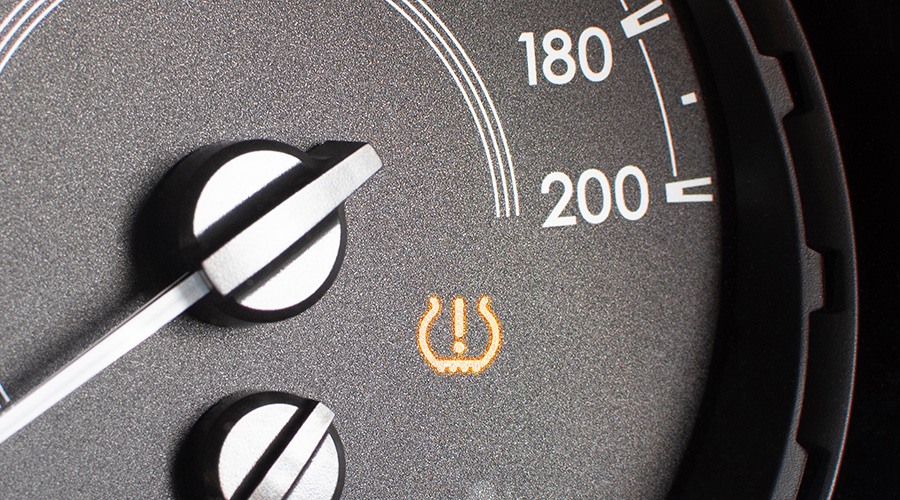
- Tyre Pressure Monitoring System (TPMS) light: This means one or more tyres may be under- or over-inflated, or there’s a fault with the monitoring system. Incorrect tyre pressure affects grip, fuel economy, and tyre wear.
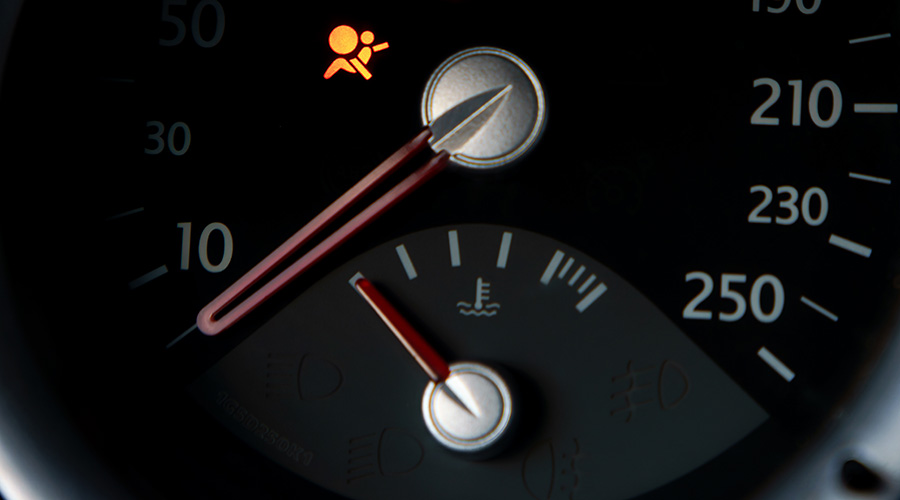
- Airbag warning light: This suggests a fault in the airbag or seatbelt pre-tensioner system. In the event of a collision, airbags may not deploy as expected, reducing occupant protection.
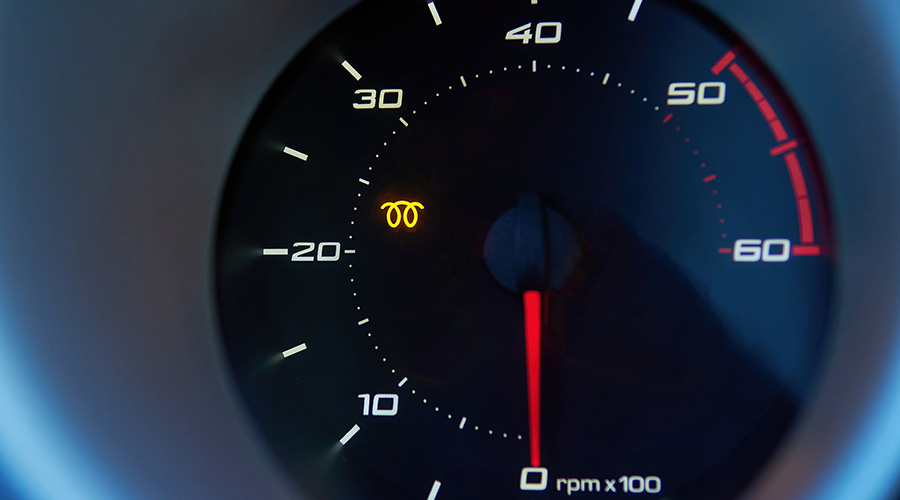
- Glow plug light (diesel vehicles): If this light stays on or flashes while driving, it can indicate an engine management or emissions-related issue rather than just cold starting. The car may still run, but performance or efficiency could be affected.

While the car may still drive, safety systems could be compromised.
Why warning lights disappear and come back
It’s common for drivers to notice a warning light that appears, disappears, then comes back days or weeks later. This usually happens because:
- The fault is intermittent (for example, a loose sensor or wiring issue)
- Conditions temporarily change (temperature, load, driving style)
- The system resets itself, but the underlying issue remains
Just because a warning light goes out doesn’t mean the problem has fixed itself. In many cases, it’s a sign of a developing fault that will worsen over time.
A diagnostic check can identify stored fault codes even if the light is no longer visible.
What should you do if a warning light comes on?
- Don’t panic, but don’t ignore it either
- Check your vehicle handbook for guidance
- If the light is red, stop driving when safe
- Book a professional diagnostic inspection as soon as possible
Early diagnosis often means simpler, cheaper repairs and avoids unnecessary breakdowns.
Final thoughts
Dashboard warning lights are there to protect you, your passengers, and your vehicle. Understanding which ones need immediate attention – and acting quickly – can save you time, money, and stress.
If you’re unsure about a warning light or notice one that keeps coming back, it’s always best to have it checked by trained technicians using proper diagnostic equipment – like us.
At Vasstech, we specialise in reliable vehicle servicing for local drivers. Whether it’s time for a service or you want reassurance about what your car needs next, our experienced team delivers honest, straightforward care.