The mechanic-approved DIY guide: How to change your car’s engine oil
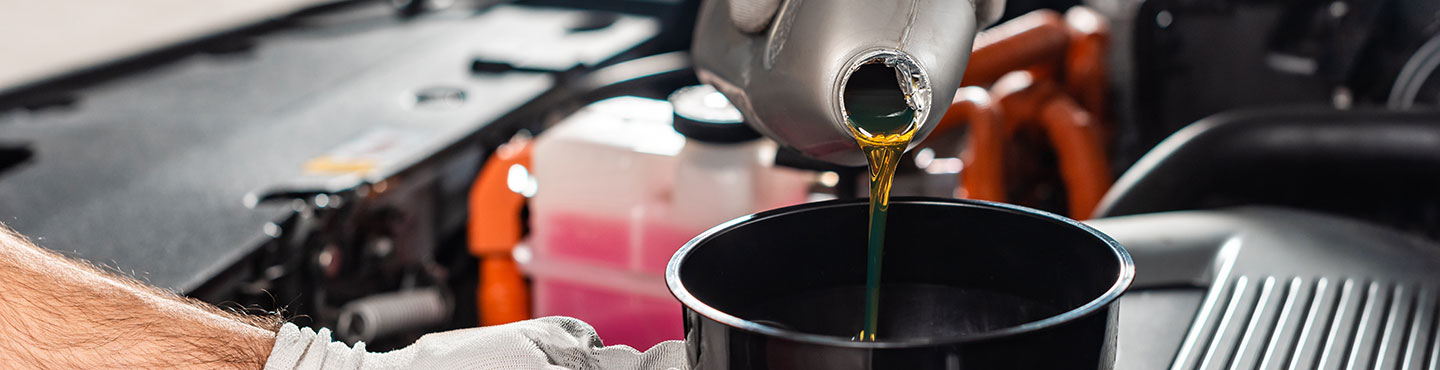
Not changing your oil could be the death of your car. Old oil can lead to overheating, engine-wear, and costly repairs, but the good news is that oil maintenance is one of the simplest tasks you can stay on top of. Whether you prefer to handle basic maintenance yourself or leave it to the professionals, keeping your oil fresh is one of the best ways to protect your vehicle and avoid future issues.
We have provided a quick, convenient step-by-step guide to save you from unexpected breakdowns or an expensive trip to the garage. Regular oil changes will help you get on top of your car maintenance.
Why do cars need oil?
Oil ensures your engine will not suffer damage. It keeps engine parts running smoothly, reducing friction and minimising heat by lubricating the moving parts of the engine.
However, oil doesn’t stay clean forever. Over time, oil can lose its effectiveness and become contaminated as it picks up flecks of metal, dirt and dust from normal engine operation.
Regularly changing your oil will help your engine stay efficient, healthy and long-lasting.
What happens when I don’t change my car engine’s oil?
Skipping oil changes may not seem serious, but here is what happens when you don’t change your engine oil…
As oil ages, it breaks down, thickens and becomes contaminated with dirt which can lead to short term and long term effects.
Short term effects:
- Increased engine wear: as oil deteriorates, it can lose its lubricating qualities as the additives deplete and abrasive particles can cause faster engine wear.
- Reduced performance: sludge can clog vital engine components like oil passages, the oil filter, and valves, leading to a loss of power or sluggish performance.
- Lower fuel efficiency: without lubrication, your engine burns more fuel to achieve the same performance, costing you more for less.
Long term effects:
- Engine overheating: oil helps cool the engine. Old, degraded oil loses its ability to transfer heat efficiently which causes components to overheat and become damaged.
- Sludge buildup: without oil changes contaminants will accumulate and form a thick sludge that can block oil flow to critical engine parts.
- Engine failure: eventually, the lack of lubrication and extreme heat will cause metal parts to grind against each other, seize and fail completely- sometimes beyond repair.
- Voided warranty: neglecting regular oil changes can void your car manufacturer’s warranty leaving you responsible for the high cost of repairs or replacement.
- Reduced resale value: a history of poor maintenance will significantly lower the car’s resale value.
All of these issues can lead to substantial, avoidable repair costs that far outweigh the price of a simple, routine oil change. Small preventative maintenance now saves a lot of money later.
How often and when do I need to change my oil?
Regular oil changes are essential for all cars but it all depends on the age and make of your car, as well as the type of oil your car requires and your normal driving behaviours . Usually, your car’s engine oil should be changed every 5,000-7,500 miles.
One thing to note is that if your car is using fully synthetic oil, you can go up to 15,000 miles between changes. Synthetic oils last longer, can withstand higher temperatures, and offer better protection making them ideal for modern drivers who do longer journeys.
Mileage is not the only clue. Your car may also show signs when it’s ready for fresh oil such as unusual engine noise, reduced performance, dashboard warning lights, or darker, gritty oil on the dipstick.
What type of oil do I use?
Choosing the right oil is essential for protecting your engine and keeping it running efficiently. The correct type depends on your car’s make, model, age and driving conditions. Most modern cars require synthetic or fully synthetic oil, while older vehicles may use semi-synthetic or mineral oil.
To find the right oil for your car:
- Check your owner’s manual for the recommended oil grade (e.g. 5W-30, 0W-20).
- Look for oil that meets the correct ACEA or API specifications listed by your manufacturer.
- If you’re unsure, the team at Vasstech can advise you on the exact oil your engine needs and ensure you’re using the right product for long-term protection.
And if you drive a VW, Audi, SEAT or Škoda model equipped with a Haldex all-wheel-drive system, it’s just as important to keep the Haldex oil fresh to maintain smooth power delivery and prevent pump failure. Vasstech also carries out Haldex oil changes, making it easy to stay on top of both engine and drivetrain maintenance in one visit.
What tools do I need to change my oil?
Here are the tools you need, which can also be helpful to keep in your car for other emergencies and car maintenance like tyre changes:
- Ramps, jacks or jack stands
- Socket set and ratchet
- Oil filter wrench
- Oil drain pan
- Funnel
- New oil
- New oil filter
- Gloves
- Rags, or paper towels
- Safety glasses
- Torque wrench
- Degreaser
- Optional: creeper to lie on while working under a car.
You can get these tools from most local car shops e.g. Halfords etc.
When it’s better to visit a professional
While a DIY oil change can be straightforward, there are times when letting a professional handle it is the smarter choice. If your vehicle is still under warranty, sticking to authorised servicing helps ensure your coverage remains valid. Modern cars, especially those with tightly packed engines or specialist components, can also make access difficult, turning a simple job into a frustrating one.
You might also prefer the convenience of having someone else take care of your maintenance for you. And if you’re already bringing your car in for an MOT or service at Vasstech, it’s the perfect opportunity to get your oil change done at the same time, saving you both time and hassle.
Conclusion
Take these simple steps to prevent breakdowns and unfixable engine damage. If you are still unsure about changing your car oil yourself, pop into Vasstech or give us a call to book yourself in for an oil change. We are always happy to help ensure your car is running safely and at its best.
Related Guides