Simple checks you can do before your MOT
An MOT doesn’t need to be stressful. In fact, many MOT failures are caused by small, avoidable issues that take just minutes to check at home. Spending a little time preparing your car can save you hassle, time, and unexpected repair costs.
Below are some simple checks to do before your MOT, plus a few important reminders every driver should stay on top of.
Basic checks you can do at home
Watch the 60 second summary
🔍 Lights & indicators
Check all exterior lights are working properly:
- Headlights (dipped and full beam)
- Brake lights
- Indicators
- Hazard lights
- Number plate lights
Ask someone to help or use reflections in windows or walls to double-check.
🚗 Tyres
Make sure:
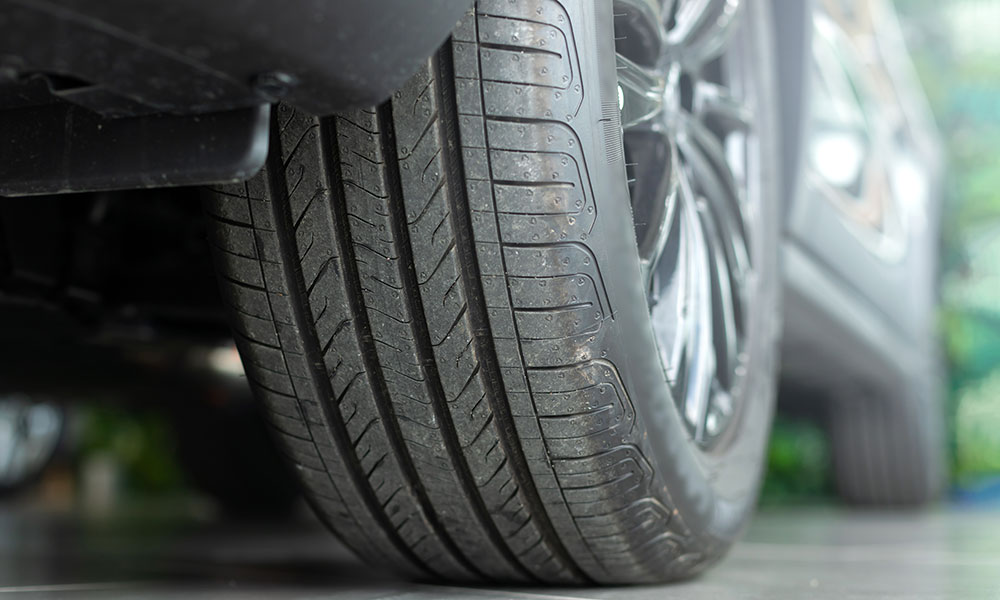
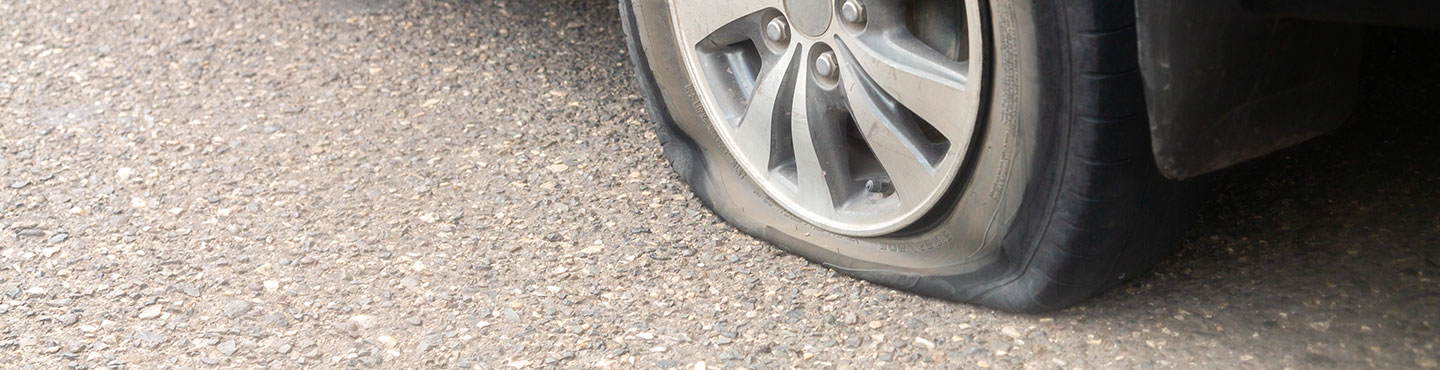
- Tread depth is at least 1.6mm across the central three-quarters: An easy way to check is using a 20p coin. Insert it into the main tread grooves of your tyre. If the outer band of the coin is hidden, your tread is above the legal limit. If you can see the outer band, your tyre may be below 1.6mm and needs replacing. Do this in several places across the tyre to make sure the wear is even.
- Tyres are free from cuts, bulges, or damage: Turn your steering wheel to expose more of the tyre (or move the car slightly), then visually inspect. Look for cracks, cuts, or embedded objects (like nails). Check for bulges or lumps, these can indicate internal damage and are dangerous. If you spot any of these issues, the tyre should be checked by a professional as soon as possible.
- Pressures are correct: Use a pressure gauge at a petrol station or a home tyre inflator. Check the recommended PSI in your car manual or inside the driver’s door frame. Make sure tyres are cold when checking for the most accurate reading. Inflate or deflate as needed to match the recommended level.
Uneven tyre wear can also be a sign of alignment or suspension issues. Look across the surface of the tyre: More wear on one side can indicate wheel alignment issues. Patchy wear may suggest suspension problems or incorrect pressure. If you notice uneven wear, it’s worth getting your alignment and suspension checked to prevent further damage and improve safety.
🪟 Windscreen, wipers & washers
- Ensure the windscreen has no major cracks or chips in the driver’s line of sight
- Wipers should clear the screen properly without smearing
- Washer fluid must spray correctly
This is one of the most common and easily preventable MOT failures.
🔊 Horn, seatbelts & mirrors
- Horn should work clearly
- Seatbelts must pull out smoothly and click securely
- Mirrors should be intact and adjustable
🛢️ Fluid levels
It’s not just about knowing what to check, here’s how to check and top up each fluid safely:
Engine oil:
- Make sure the engine is cool and the car is on level ground
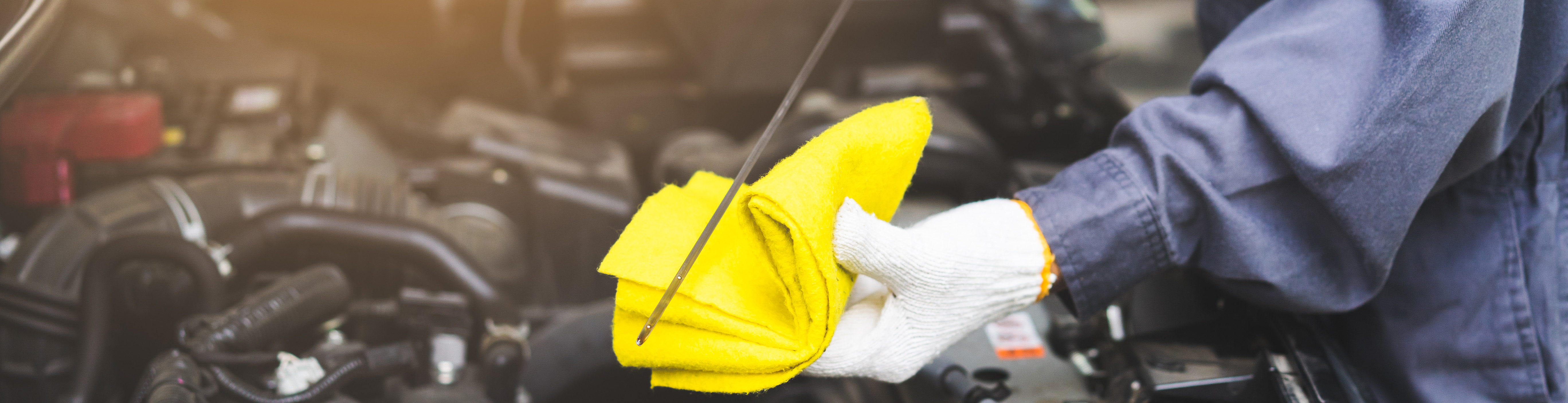
- Locate the dipstick, pull it out, wipe it clean, then reinsert it fully
- Pull it out again to check the level – it should sit between the min and max markers
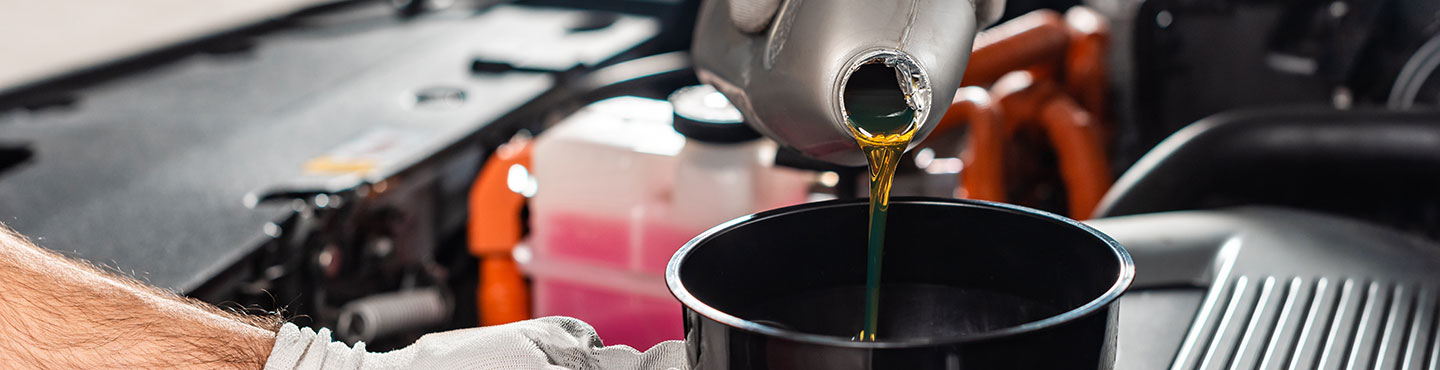
- If it’s low, remove the oil cap and top up a little at a time, rechecking as you go to avoid overfilling
Here’s what happens when you don’t change your engine oil regularly enough:
Coolant:
- Only check this when the engine is completely cold
- Look at the coolant reservoir (a translucent tank) – you’ll see min and max lines on the side
- If it’s low, top up with the correct coolant mixture as specified in your vehicle handbook
- Never open the cap when the engine is hot, as it can cause burns
Brake fluid:
- Locate the brake fluid reservoir (usually near the back of the engine bay)
- Check the level against the min and max markings on the side
- If it’s below minimum, it may indicate worn brake pads or a potential leak – top up if needed, but get it checked if levels drop again
Screen wash:
- Find the screen wash reservoir (often marked with a windscreen symbol)
- Simply open the cap and fill it up with screen wash fluid – no measuring needed
- This helps keep your windscreen clear and your visibility safe
Watch our mechanic top up screenwash:
Important:
While low fluid levels alone might not fail an MOT, visible leaks definitely can, so if you find yourself topping up frequently, it’s worth getting the car inspected.
General car maintenance matters
Regular maintenance keeps your car safer, more reliable, and far more likely to pass its MOT first time. If you’re new to car ownership or want a refresher, it’s worth reading our car maintenance tips for beginners, which cover the basics every driver should know.
Even simple habits, like checking tyres monthly or topping up fluids, can prevent bigger issues later on.
Don’t forget the legal essentials
Before your MOT (and every time you drive), make sure you’re covered with:
✅ Insurance
Your vehicle must be insured to drive it to and from an MOT appointment.
✅ Road tax
A valid MOT is required to tax your car, but you must still ensure your tax is up to date before driving normally.
✅ Breakdown cover
Not a legal requirement, but highly recommended – especially if your car is older or due an MOT. It provides peace of mind if something unexpected happens on the way.
Cars we’d recommend for easy MOTs
While every car needs care, some tend to be more MOT-friendly than others due to reliability and parts availability. We generally recommend cars that:
- Have a strong service history
- Are known for reliability
- Have readily available replacement parts
- Are regularly maintained rather than “run into the ground”
Routine servicing is often more important than the badge on the bonnet when it comes to passing an MOT smoothly.
Final thoughts
A successful MOT starts long before your car enters the test bay. By carrying out a few simple checks and keeping on top of general maintenance, you greatly improve your chances of passing first time.
If you’re unsure about anything, or just want peace of mind, having your car checked before its MOT can help catch problems early and avoid surprises on test day.